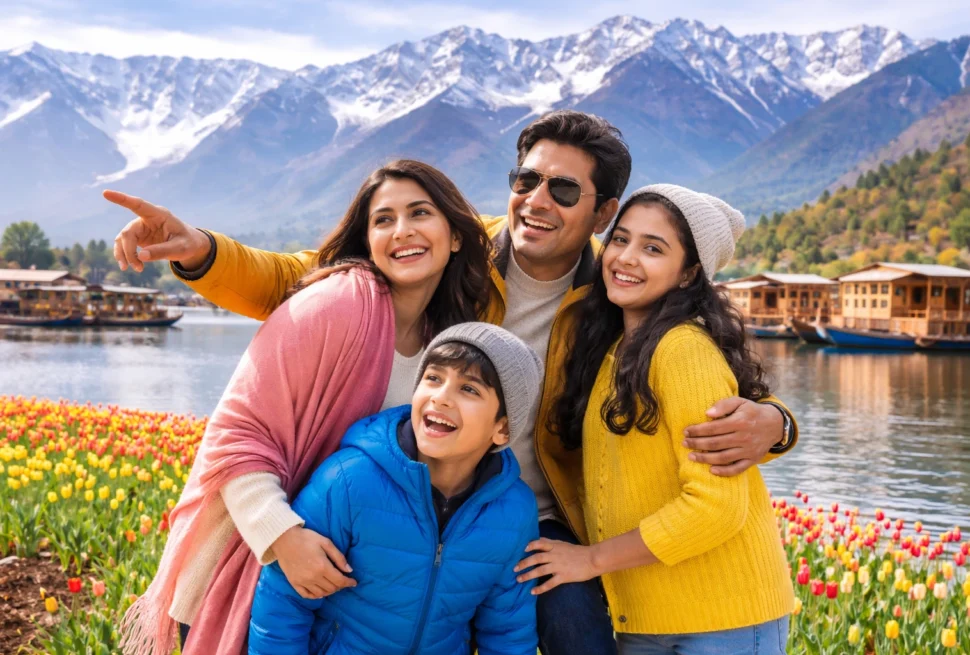
There is no single winner between Kashmir and Kerala — the right choice depends on what kind of holiday you actually want. Kashmir is better if you want Himalayan mountains, snow, alpine meadows, pine forests and a romantic shikara ride on Dal Lake. Kerala is better if you want beaches, tropical backwaters, Ayurveda, tea plantations and a slower, coastal pace of travel.
Families chasing snow and mountain photography usually pick Kashmir; couples wanting beaches, houseboats on moving canals and wellness retreats usually pick Kerala. Season matters too: Kashmir shines from March to October and again in peak winter for snow, while Kerala works well most of the year except the heaviest monsoon weeks. Think about the landscape, weather and activities you want first, then decide.
Panda Tours and Travels is a Srinagar-based local travel agency that has been arranging Kashmir holidays for travellers from across India. The team works directly on the ground in Srinagar, Gulmarg, Pahalgam and Sonamarg, handling hotel bookings, private transport and day-to-day sightseeing so visitors don’t have to coordinate everything themselves. If you are leaning towards Kashmir after reading this comparison, you can call or WhatsApp the team at +91 7006982655 to talk through dates and an itinerary.
Kashmir Vs Kerala: Which Is Better at a Glance?
| Factor | Kashmir | Kerala |
|---|---|---|
| Landscape | Himalayan mountains, alpine valleys, lakes | Tropical coast, backwaters, hills |
| Climate | Cool to cold, dry mountain air | Warm, humid, tropical |
| Mountains | Kashmir | Depends (Western Ghats vs Himalayas) |
| Beaches | Not applicable | Kerala |
| Snow | Kashmir | Not applicable |
| Backwaters | Depends (lakes, not backwaters) | Kerala |
| Honeymoon appeal | Depends | Depends |
| Family travel | Depends | Depends |
| Adventure | Depends (snow/trek vs water/forest) | Depends |
| Relaxation | Kashmir (mountain calm) | Kerala (wellness/coastal) |
| Photography | Depends | Depends |
| Food | Depends (personal taste) | Depends (personal taste) |
| Culture | Kashmir (handicrafts, Mughal gardens) | Kerala (temples, Kathakali) |
| Accommodation | Houseboats, hotels, resorts | Houseboats, resorts, heritage stays |
| Transportation | Mountain-road private cabs | Road + rail network |
| Ideal travel season | March–October, December–February for snow | September–March, and monsoon for greenery lovers |
| Trip style | Scenic, slower-paced due to terrain | Circuit-based, moderate pace |
| Approx. travel time from major Indian cities | 2.5–4 hours flight to Srinagar | 2–3.5 hours flight to Kochi/Trivandrum |
| Value for money | Depends on season and hotel category | Depends on season and hotel category |
A table like this can only go so far — “depends” is the honest answer for most rows, and the sections below explain exactly what it depends on.
Kashmir Vs Kerala — The Biggest Difference
The single biggest difference is climate and terrain, and everything else follows from it. Kashmir sits in the Himalayas: Srinagar, Gulmarg, Pahalgam and Sonamarg sit at altitudes that bring pine forests, alpine meadows, glacial rivers and, in winter, snow. Kerala sits on India’s tropical southwest coast, where the defining features are backwaters, coconut groves, beaches and the forested Western Ghats.
This means Kashmir and Kerala aren’t really competing for the same traveller in the way “Bali vs Phuket” might. They are both excellent, but for different reasons. A trip built around snow, mountain drives and lake-facing houseboats will never resemble a trip built around palm-lined canals, Ayurvedic massage and Arabian Sea sunsets — and that’s the point. The “which is better” question only becomes answerable once you know what kind of holiday you’re actually trying to have.
Kashmir Vs Kerala for Natural Beauty
What Makes Kashmir Beautiful?
Kashmir’s beauty is built around scale and contrast — snow-dusted peaks framing green valleys, still lakes reflecting mountains, and seasonal colour changes that are dramatic even by Himalayan standards. Dal Lake, with its shikaras and floating gardens, is the postcard image most people associate with Srinagar. Gulmarg adds meadows that turn into ski slopes in winter and wildflower carpets in spring and summer, along with one of Asia’s highest cable car rides, the Gondola.
Pahalgam offers pine forests, the Lidder River, and a gentler valley floor good for walking and horse rides. Sonamarg — the “meadow of gold” — sits closer to glaciers and high passes, with a starker, more rugged character. Doodhpathri and Yusmarg are quieter, less commercial meadows favoured by travellers who want fewer crowds. Add in Mughal-era gardens, apple and saffron fields, and rivers running through the valley, and Kashmir’s landscape rarely repeats itself from one stop to the next.
What Makes Kerala Beautiful?
Kerala’s beauty works differently — it’s lush, layered and calm rather than dramatic. The backwaters around Alleppey and Kumarakom are a network of canals, lagoons and rivers lined with coconut palms and paddy fields, best experienced slowly from a houseboat deck. Munnar’s tea plantations roll across hills in a way few other places in India replicate, with mist settling over the slopes most mornings. Waterfalls, spice plantations and dense forest patches around Thekkady add texture, while the coastline — Kovalam, Varkala’s cliffside beaches — brings a different kind of scenery entirely. Kerala’s wildlife sanctuaries and forested Ghats also give it a genuine claim to biodiversity that Kashmir’s alpine terrain doesn’t offer in the same way.
Which Has Better Natural Scenery?
This genuinely comes down to preference. If you’re drawn to dramatic, high-altitude Himalayan views, Kashmir will feel more spectacular. If you prefer green, layered, water-based landscapes that feel calm rather than dramatic, Kerala will feel more beautiful. Photographers often say Kashmir gives more “wow” shots in a single frame, while Kerala rewards patience with subtler, atmospheric images — mist on tea gardens, reflections on backwater canals, golden light through coconut groves.
Kashmir Vs Kerala for Honeymoon
This is one of the most searched comparisons, and both destinations have earned their honeymoon reputations for genuinely different reasons.
Why Couples Choose Kashmir
Kashmir’s honeymoon appeal centres on romance through scenery: a shikara ride at sunset on Dal Lake, a night on a heritage houseboat, snow-covered viewpoints in Gulmarg, and quiet mountain drives between Srinagar and Pahalgam. Many hotels and houseboats offer mountain- or lake-facing rooms, and private sightseeing is easy to arrange with a local operator, which keeps the pace relaxed rather than rushed. Couples who want their honeymoon photos to look dramatically different from a typical beach album tend to gravitate here, especially for a winter or spring trip.
Why Couples Choose Kerala
Kerala’s honeymoon draw is built around slow, tropical relaxation: a private houseboat cruising Alleppey’s backwaters, misty mornings in Munnar, sunset walks on Kovalam or Varkala beach, and couples’ Ayurvedic spa treatments at resort properties. It suits couples who want their honeymoon to feel unhurried and wellness-oriented rather than sightseeing-heavy, with warm evenings instead of layered jackets.
Kashmir Vs Kerala Honeymoon Comparison
| Factor | Kashmir | Kerala |
|---|---|---|
| Romance style | Mountain and lake scenery | Backwater and beach scenery |
| Weather comfort | Cool, layered clothing needed | Warm, light clothing |
| Privacy | High, especially in houseboats and resorts | High, especially on private houseboats |
| Houseboat experience | Stationary, heritage-style on Dal/Nigeen Lake | Moving cruise through canals |
| Activities | Shikara rides, Gondola, snow, gardens | Backwater cruise, Ayurveda, beach walks |
| Photography | Dramatic mountain and snow shots | Soft, tropical, water-based shots |
| Adventure element | Higher (skiing, trekking possible) | Lower, more wellness-focused |
| Best season | March–May, September–October, or December–February for snow | September–March |
Practical recommendation: if snow, mountains and dramatic scenery matter more to you as a couple, choose Kashmir. If warm weather, backwaters and a wellness-first pace matter more, choose Kerala. Couples who genuinely can’t decide sometimes split a longer honeymoon across both regions, though that requires extra travel days and budget. Panda Tours and Travels’ destination wedding and honeymoon planning in Kashmir covers the Kashmir side of this if you go that route.
Kashmir Vs Kerala for Family Vacation
Families juggle different priorities than couples — comfort, pacing, and how much walking or driving young children and grandparents can realistically handle each day.
Kashmir works well for families who enjoy scenic road journeys and don’t mind some altitude and cooler weather; Gulmarg’s Gondola and snow points (weather permitting) are genuinely exciting for children, and Srinagar’s houseboats double as a novelty stay that kids remember. The trade-off is that sightseeing between Srinagar, Gulmarg, Pahalgam and Sonamarg involves mountain roads, so families with very young children or elderly members who tire on long drives should plan a slower pace with fewer destinations per day.
Kerala works well for families who prefer a gentler climate and shorter driving stretches between stops, with the added benefit of houseboat stays that let everyone relax without a packed sightseeing schedule. Munnar’s tea gardens and Thekkady’s wildlife areas give children something engaging without strenuous walking, and the warmer climate means less packing complexity.
Neither destination is objectively “more family-friendly” — a family that loves snow, novelty and mountain views will have a better time in Kashmir; a family that prioritises comfort, easy pacing and warm weather will likely prefer Kerala.
Kashmir Vs Kerala for Couples
For couples who aren’t specifically on a honeymoon but still want a romantic trip, both destinations deliver, just with a different tempo. Kashmir suits couples who enjoy active days — scenic drives, short walks in meadows, boating, and evenings by a bonfire or houseboat deck. Kerala suits couples who want more downtime built into the itinerary itself, since a backwater cruise or beach afternoon doesn’t require the same logistics as mountain sightseeing. Food-wise, Kashmir’s Wazwan feasts and Kerala’s seafood-forward cuisine both make for memorable shared meals; neither cuisine is “better,” just different in character.
Kashmir Vs Kerala for Adventure Lovers
Kashmir
Kashmir’s adventure profile is built around altitude: skiing and snowboarding in Gulmarg (one of India’s best ski destinations in season), the Gondola cable car ride, high-altitude trekking routes such as the Kashmir Great Lakes trek in summer, hiking through Pahalgam’s forests, occasional river rafting where conditions allow, and camping in meadows like Sonamarg or Doodhpathri. Winter adds snow-specific activities — sledding, snowshoeing and, snow permitting, skiing for beginners as well as experienced skiers.
Kerala
Kerala’s adventure activities lean towards water and forest: trekking in the Western Ghats around Munnar and Thekkady, bamboo rafting inside wildlife sanctuaries, kayaking through quieter backwater stretches, cycling through plantation trails, and spice- and tea-plantation walks that combine light activity with sightseeing.
The two simply offer different categories of adventure — high-altitude and snow-based versus forest- and water-based. Skiers and trekkers chasing altitude will find Kashmir far more rewarding; travellers who want water sports and jungle-adjacent activity will prefer Kerala. Panda Tours and Travels can put together the Kashmir side of this through its adventure activities page, which covers Gondola rides, trekking, rafting and more.
Kashmir Vs Kerala for Relaxation
If pure relaxation is the goal, Kerala generally has the stronger profile. Its wellness tradition — Ayurvedic massage, yoga retreats, and resorts built specifically around slow living — is more developed and more accessible to a first-time visitor than anything comparable in Kashmir. A houseboat cruise through Alleppey’s backwaters is close to the definition of unhurried travel: no driving, no fixed sightseeing stops, just water, palm trees and quiet.
Kashmir still offers a real form of relaxation, just a mountain-based one — a quiet morning by Dal Lake, a slow walk through Pahalgam’s pine forest, or a still evening on a heritage houseboat. It’s peaceful, but it’s not built around wellness infrastructure the way Kerala is. Travellers whose main goal is genuine downtime, spa treatments and slow pacing will likely find Kerala more suited to that specific need.
Kashmir Vs Kerala Weather Comparison
Weather is the single most decision-relevant factor, and it changes what “better” means from month to month. The figures below are typical, indicative ranges — always check current conditions before travelling, since both regions can vary year to year.
| Month | Kashmir | Kerala |
|---|---|---|
| January | Very cold, snow likely, Srinagar near freezing | Pleasant and dry, warm days |
| February | Cold, snow possible in higher areas | Pleasant, warming up |
| March | Cool, spring blooms begin | Warm, humidity starts rising |
| April | Mild, greenery returns, Tulip Garden season | Hot, pre-monsoon warmth |
| May | Pleasant, popular travel month | Hot and humid, monsoon approaching |
| June | Warm days, cool evenings | Monsoon begins, heavy rain |
| July | Mild summer, occasional rain | Peak monsoon, very wet |
| August | Mild, green valleys | Monsoon continuing, greenery peaks |
| September | Cooling down, clear skies | Monsoon tapering off |
| October | Crisp, autumn colours (Chinar season) | Pleasant, post-monsoon freshness |
| November | Cold, early snow possible at altitude | Cool and dry, good travel weather |
| December | Very cold, snow in Gulmarg likely | Cool, dry, festive season |
Kashmir Vs Kerala in Summer
March through June is Kashmir’s most popular travel window — mountain temperatures stay comfortable while much of India swelters, making it a natural escape for families and honeymooners alike. Kerala in the same months turns hot and humid, especially by May, though hill stations like Munnar stay noticeably cooler than the coast. Families chasing cooler weather and outdoor activity generally prefer Kashmir in summer; travellers who don’t mind coastal heat and want beach time can still enjoy Kerala, especially if they base themselves in the hills.
Kashmir Vs Kerala in Monsoon
Kerala is genuinely associated with monsoon travel — many travellers deliberately visit in June–August for lush greenery, dramatic waterfalls, and the Ayurvedic tradition of monsoon treatments, which are considered especially effective during this season. It’s not ideal for beach time or heavy sightseeing due to rain, but it suits travellers who enjoy dramatic weather, misty hill views and quieter tourist crowds. Kashmir’s monsoon (roughly July–August) brings occasional rain and cloud cover rather than the sustained downpours Kerala experiences, and mountain roads can be affected by landslides in isolated stretches, so flexibility matters more than usual. Photography and outdoor activity are both still possible in Kashmir’s monsoon, just with more variable conditions.
Kashmir Vs Kerala in Winter
These are two completely different winter holidays. Kashmir in December–February means snow, particularly in Gulmarg, with Srinagar itself turning cold and often snow-dusted — this is peak season for snow-seekers, skiers and honeymooners chasing a white winter. Kerala’s winter (roughly November–February) is its most pleasant, comfortable season: dry, warm days, cool evenings, ideal beach weather and the best time for backwater cruises. Neither is “better” in winter — one gives you snow, the other gives you the year’s best beach weather.
Kashmir Vs Kerala for Snow
If snow is your priority, Kashmir is the clear choice. Kerala does not get snowfall — its tropical, coastal and hill-station climate simply doesn’t reach snow-forming temperatures. In Kashmir, Gulmarg and other higher-elevation areas typically see snow from December through February, sometimes extending into March, though snowfall timing and intensity vary year to year and should always be checked closer to travel dates. Sonamarg and Pahalgam can also see snow in winter, weather permitting.
Kashmir Vs Kerala for Beaches
Kerala wins if beaches are central to your holiday. Kovalam, Varkala, Marari and several other stretches along Kerala’s coastline offer genuine beach holidays with warm water, cliffside views (at Varkala) and coastal resort culture. Kashmir is a landlocked Himalayan region with no coastline — it should not be compared to Kerala on this criterion at all, and travellers wanting a beach trip should look at Kerala or India’s other coastal states instead.
Kashmir Vs Kerala for Mountains
Kashmir is stronger for dramatic, high-altitude mountain scenery — its Himalayan peaks, alpine meadows and glacier-fed valleys operate at a different scale than anything in South India. Kerala’s mountains, part of the Western Ghats, are lower and greener, with hill stations like Munnar offering rolling tea-covered hills rather than snow-capped peaks. Both are genuinely beautiful, but if the specific goal is dramatic Himalayan mountain views, Kashmir is the stronger option by a clear margin.
Kashmir Vs Kerala for Backwaters and Houseboats
Both destinations are known for houseboats, but the experiences are fundamentally different, and this distinction trips up a lot of first-time travellers.
Kashmir’s houseboats are stationary heritage vessels moored on Dal Lake or Nigeen Lake in Srinagar. You stay on board, wake up to lake and mountain views, and travel around the lake separately by shikara — a small paddled boat. It’s more of a floating hotel room than a moving journey.
Kerala’s houseboats (kettuvallams) are designed to cruise — typically through Alleppey’s or Kumarakom’s canal networks — so the “backwater” experience is about movement through changing scenery: paddy fields, village life along the banks, and narrow canals opening into wider lagoons.
Neither is better in absolute terms; they’re different formats. Travellers who want a scenic, static lake stay with mountain backdrops will enjoy Kashmir’s houseboats; those who want a slow-moving cruise through green countryside will prefer Kerala’s.
Kashmir Vs Kerala for Food
Kashmir Food
Kashmiri cuisine centres on Wazwan, a traditional multi-course feast that can include Rogan Josh (a rich mutton curry), Gushtaba (minced meat balls in yoghurt gravy), Yakhni (a yoghurt-based curry) and Modur Pulao (a sweet, saffron-infused rice dish). Kahwa, a spiced green tea often flavoured with saffron and almonds, is a Kashmiri staple worth trying on any trip. Local breads and a reasonable range of vegetarian dishes are also available, particularly in Srinagar’s restaurants and houseboats.
Kerala Food
Kerala’s cuisine is built around coconut, rice and seafood. Appam (a soft rice pancake) with stew, the elaborate vegetarian Sadya served on a banana leaf, fish curry, and coconut-based curries define much of the everyday food, alongside dosa varieties and strong use of local spices like pepper, cardamom and cinnamon.
Neither cuisine is objectively better — Wazwan suits travellers who enjoy rich, meat-forward feasts, while Kerala’s cuisine suits those who prefer coconut-based, seafood-driven flavours. Vegetarian travellers will find solid options in both regions, though Kerala’s Sadya tradition may feel more purpose-built for vegetarians specifically.
Kashmir Vs Kerala for Culture and Local Experiences
Kashmir
Kashmir’s cultural identity is expressed strongly through craft: Pashmina shawls, hand-knotted carpets, papier-mâché work and walnut wood carving are all still practised by local artisans, often visible in Srinagar’s markets. Mughal-era gardens — built centuries ago as royal retreats — add a layer of historical architecture to the natural scenery, and the general hospitality culture around houseboats and home-cooked meals gives visitors a personal window into local life.
Kerala
Kerala’s cultural depth shows through performance and tradition: Kathakali’s elaborate costumed storytelling, Theyyam rituals practised in parts of northern Kerala, a strong temple and church heritage reflecting the state’s religious diversity, and a well-established Ayurveda tradition rooted in centuries-old practice. Village tourism experiences, spice-plantation visits and local festivals add further texture.
Both regions have genuinely rich, distinct cultures worth engaging with respectfully — this isn’t a category where one destination outperforms the other; it’s simply a different cultural expression in each place.
Kashmir Vs Kerala for Photography
Kashmir tends to reward landscape and dramatic-light photography — snow-capped peaks, Dal Lake reflections, Chinar trees turning red and gold in autumn, and Mughal garden architecture. Kerala rewards atmospheric, textured photography — mist over tea plantations, backwater reflections at dawn, coconut groves in soft light, and coastal sunsets at Varkala or Kovalam. Wildlife and people-focused photographers may find Kerala slightly more varied due to its forests and cultural performances, while photographers chasing sweeping mountain vistas will get more from Kashmir. Both destinations photograph very differently depending on season, so timing your visit around Kashmir’s spring blooms or autumn Chinar colours, or Kerala’s post-monsoon greenery, will noticeably improve results.
Kashmir Vs Kerala for Budget Travelers
Neither destination is reliably cheaper than the other in every scenario — cost depends heavily on season, hotel category, group size and how the trip is structured. Rather than quoting fixed prices (which change constantly and vary by operator), it helps to understand what actually drives the cost in each region:
- Flights: Both Srinagar and Kochi/Trivandrum are well connected to major Indian cities, and fares fluctuate with season and demand in both cases.
- Hotels: Kashmir’s hotel range spans budget guesthouses to premium resorts in Gulmarg and Pahalgam; Kerala’s spans budget stays to high-end backwater resorts and plantation properties.
- Local transportation: Kashmir sightseeing typically requires a private cab for mountain roads between Srinagar, Gulmarg, Pahalgam and Sonamarg; Kerala’s circuit (Kochi–Munnar–Thekkady–Alleppey) also usually runs on private vehicles, though public transport options exist for budget travellers with more time.
- Houseboats: Both regions charge a premium for houseboat stays, which is often the single biggest line item in either budget.
- Group size: Per-person cost drops significantly in both destinations when travelling as a family or group, since vehicle and houseboat costs are shared.
- Seasonal demand: Peak season (summer and snow season in Kashmir; winter in Kerala) pushes prices up in both places, while shoulder seasons offer better value.
Any specific price quoted online should be treated as approximate and confirmed directly with a local operator closer to your travel dates, since rates shift with fuel costs, hotel occupancy and season.
Kashmir Vs Kerala for Luxury Travelers
Kashmir’s luxury segment centres on premium houseboats on Dal and Nigeen Lake, high-end resorts in Gulmarg and Pahalgam with mountain views, private transportation, and curated honeymoon upgrades like candlelight dinners on the lake or private shikara rides. Kerala’s luxury segment leans into wellness — high-end Ayurvedic resorts, private backwater houseboats with dedicated crew, plantation-stay properties in Munnar, and beachfront luxury resorts along the coast. Both destinations can deliver a genuinely high-end experience; the difference again comes down to whether you want mountain luxury or tropical wellness luxury.
Kashmir Vs Kerala: How Easy Is It to Reach?
Reaching Kashmir
Srinagar’s airport connects directly to major Indian cities including Delhi, Mumbai, Bengaluru and several others, with flight times generally in the range of two to four hours depending on origin. Jammu, further south, has strong rail connectivity to the rest of India, and some travellers combine a train to Jammu with a road journey onward to Srinagar, though most opt to fly directly into Srinagar for convenience. Road journeys within the valley (Srinagar to Gulmarg, Pahalgam or Sonamarg) typically take between one and three hours depending on the destination and road conditions.
Reaching Kerala
Kerala has multiple international airports — Kochi, Thiruvananthapuram, and Kozhikode — giving it broader entry points than Kashmir’s single main gateway. Kerala also has a well-developed rail network connecting it to the rest of India, and strong intra-state road connectivity linking Kochi, Munnar, Thekkady and Alleppey. Flight times from major Indian cities are broadly comparable to Kashmir’s, generally two to three and a half hours depending on origin.
Both flight fares and exact travel times vary by season, airline and route, so treat any figure here as approximate and check current schedules before booking.
Kashmir Vs Kerala Local Transportation
Kashmir’s sightseeing is built around scenic but sometimes slow mountain-road travel — the drives between Srinagar, Gulmarg, Pahalgam, Sonamarg and offbeat spots like Doodhpathri and Yusmarg are part of the experience, but they do add travel time compared to flatter terrain. Private cabs are the standard way to get around, and pre-arranged transport through a local operator generally works better than trying to coordinate ad hoc transport, especially in winter when road conditions can change quickly.
Kerala’s transportation network is comparatively more developed, with better public transport options (buses, trains) alongside private cabs, and a generally flatter, faster road network between its main circuit stops. Self-drive is more commonly considered in Kerala than in Kashmir, where local, experienced drivers are strongly preferable given mountain conditions.
Kashmir Vs Kerala for First-Time Travelers
- First-time couples: Kashmir suits couples wanting dramatic scenery and a slightly more active pace; Kerala suits couples wanting an unhurried, wellness-first introduction to South India.
- First-time families: Kerala’s gentler climate and shorter travel stretches make logistics easier; Kashmir rewards families willing to plan a slightly slower, altitude-aware itinerary.
- First-time solo travellers: Both are manageable with a local operator handling transport and accommodation; Kerala’s more developed public transport gives slightly more independence.
- First-time senior travellers: Kerala’s flatter terrain and warmer climate are generally easier on mobility and health; Kashmir is still very doable with a well-paced itinerary and private transport.
- First-time adventure travellers: Kashmir offers a faster route into high-altitude activity (trekking, skiing); Kerala offers a gentler entry point through forest walks and water activities.
Kashmir Vs Kerala for Senior Citizens
Altitude, road journeys and weather are the main considerations for senior travellers. Kashmir’s mountain roads and cooler-to-cold temperatures mean itineraries should be paced with fewer destinations per day, warm layers packed regardless of season, and any known heart or respiratory conditions discussed with a doctor before travel given the altitude in places like Gulmarg and Sonamarg.
Kerala’s flatter terrain, warmer climate and generally shorter driving distances between stops tend to be easier on senior travellers physically, though the heat and humidity in peak summer can be tiring in its own way. Neither destination should be ruled out for seniors — the key in both cases is a slower, well-paced itinerary and comfortable, accessible accommodation, arranged in advance with a local operator familiar with the route.
Kashmir Vs Kerala for Children
Children generally respond well to the novelty of Kashmir — houseboats, snow, the Gondola ride, and pony rides in Pahalgam or Gulmarg tend to be memorable rather than tiring, provided the itinerary isn’t overloaded with long drives in a single day. Kerala offers a gentler pace for younger children, with warmer weather reducing the packing and clothing hassle, and activities like backwater cruises and plantation visits that don’t require much physical stamina. Families with toddlers may find Kerala logistically easier; families with slightly older children who’ll enjoy snow and mountain novelty may get more excitement out of Kashmir.
Kashmir Vs Kerala for Solo Travelers
Solo travel works in both destinations, though the on-ground experience differs. In Kashmir, arranging a private driver or joining a small local tour is the practical way to see the valley, since public transport between the main sightseeing spots is limited; a local operator can also help solo travellers navigate accommodation and daily planning more smoothly. Kerala’s better-developed public transport and larger backpacker/independent-travel infrastructure give solo travellers more flexibility to move around independently if that’s the preferred style. Neither destination can offer absolute safety guarantees — as with solo travel anywhere, it’s worth staying updated on current local conditions, choosing reputable accommodation and transport, and keeping someone informed of your itinerary.
Kashmir Vs Kerala for Photography and Instagram-Worthy Places
Kashmir:
- Dal Lake and its shikaras
- Gulmarg’s meadows and Gondola views
- Pahalgam’s Lidder River and pine forests
- Sonamarg’s glacier-adjacent scenery
- Doodhpathri and Yusmarg’s quieter meadows
- Mughal Gardens’ terraced lawns and fountains
- Heritage houseboats at sunset
- Snow-covered valleys in winter
Kerala:
- Alleppey’s backwater canals
- Munnar’s tea plantations
- Varkala’s cliffside beach
- Kovalam’s coastline
- Fort Kochi’s colonial architecture and Chinese fishing nets
- Waterfalls around Thekkady and the Ghats
- Wildlife sanctuaries and forest trails
Best Places to Visit in Kashmir
Srinagar
The valley’s main base, home to Dal Lake, houseboats, Mughal Gardens and the old city’s markets. Suits nearly every traveller type as a starting and ending point. See Srinagar tour packages for planning options.
Gulmarg
A meadow-turned-ski-resort with the Gondola cable car, snow in winter and wildflower meadows in summer. Suits adventure lovers, honeymooners and families chasing snow. Details on Gulmarg tour packages.
Pahalgam
A gentler valley with pine forests and the Lidder River, popular for pony rides, short treks and relaxed scenery. Suits families and travellers who want nature without high altitude. See Pahalgam tour packages.
Sonamarg
Closer to glaciers and high mountain passes, with a rawer, more dramatic landscape. Suits travellers wanting a taste of high-altitude scenery without a full trek. Explore Sonamarg tour packages.
Doodhpathri
An offbeat meadow known for its calm, uncrowded setting — good for travellers avoiding peak-season tourist volume.
Yusmarg
Another quieter meadow destination, often paired with Doodhpathri for travellers wanting a slower, less commercial day trip from Srinagar.
Gurez Valley
A remote, dramatically scenic valley near the Line of Control, better suited to travellers with extra time who want a genuinely offbeat Kashmir experience. See the Gurez Valley tour package for a multi-destination route that includes it.
Best Places to Visit in Kerala
Kochi
A coastal city blending colonial history (Fort Kochi), Chinese fishing nets and a modern food scene — a common starting point for Kerala itineraries.
Munnar
Rolling tea plantations, misty hills and a cooler climate than the coast, popular with honeymooners and nature lovers alike.
Thekkady
Home to Periyar Wildlife Sanctuary, spice plantations and forest-based activities like bamboo rafting.
Alleppey
The heart of Kerala’s backwater houseboat experience, with canals winding through paddy fields and villages.
Kumarakom
A quieter backwater alternative to Alleppey, known for bird sanctuaries and calmer canal stretches.
Varkala
A cliffside beach town with a laid-back, backpacker-friendly atmosphere distinct from Kerala’s other coastal spots.
Kovalam
A well-established beach destination with resort infrastructure, good for travellers wanting a classic beach holiday.
Kashmir Vs Kerala Itinerary Comparison
Best 4 Nights 5 Days Kashmir Itinerary
Day 1: Arrive Srinagar, houseboat check-in, Dal Lake shikara ride. Day 2: Gulmarg day trip, Gondola ride (weather permitting). Day 3: Pahalgam day trip, Lidder River, Betaab Valley. Day 4: Srinagar local sightseeing — Mughal Gardens, old city, shopping. Day 5: Departure.
Best 5 Nights 6 Days Kashmir Itinerary
Day 1: Arrive Srinagar, houseboat check-in. Day 2: Gulmarg full day. Day 3: Pahalgam full day. Day 4: Sonamarg day trip. Day 5: Srinagar sightseeing, Mughal Gardens, shopping. Day 6: Departure. This structure is close to Panda Tours and Travels’ 5 Nights 6 Days Kashmir Tour Package.
Best 6 Nights 7 Days Kashmir Itinerary
Adds a Doodhpathri or Yusmarg day, or a Verinag/Achabal detour, to the 5N/6D structure above for travellers who want to slow the pace or see offbeat meadows without cutting the core Srinagar–Gulmarg–Pahalgam–Sonamarg circuit. A similar route with additional stops is covered in the 6 Nights 7 Days Kashmir Tours Package.
Best 5 Nights 6 Days Kerala Itinerary
Day 1: Arrive Kochi, Fort Kochi sightseeing. Day 2: Drive to Munnar, tea garden visits. Day 3: Munnar sightseeing, viewpoints. Day 4: Drive to Thekkady, spice plantation walk. Day 5: Drive to Alleppey, overnight houseboat. Day 6: Return to Kochi, departure.
Best 6 Nights 7 Days Kerala Itinerary
Day 1: Arrive Kochi. Day 2–3: Munnar. Day 4: Thekkady. Day 5–6: Alleppey/Kumarakom houseboat and backwater exploration. Day 7: Return to Kochi, departure.
Which Itinerary Is Better: Kashmir or Kerala?
Kashmir’s itineraries tend to revolve around a single valley with day trips radiating from Srinagar, which keeps logistics simple but means more driving on scenic mountain roads. Kerala’s itineraries are more linear — moving from Kochi through the hills to the backwaters — which covers more ground but changes hotels more often. Travellers who dislike repacking frequently may prefer Kashmir’s hub-based structure; those who enjoy a changing landscape each day may prefer Kerala’s route-based structure.
Kashmir or Kerala? Choose Based on What You Want
| If You Want | Better Choice | Why |
|---|---|---|
| Snow | Kashmir | Himalayan winter experience |
| Beaches | Kerala | Arabian Sea coastline |
| Mountains | Kashmir | Himalayan landscapes |
| Backwaters | Kerala | Alleppey/Kumarakom |
| Romantic shikara ride | Kashmir | Dal/Nigeen Lake |
| Ayurveda | Kerala | Strong wellness tradition |
| Skiing | Kashmir | Gulmarg |
| Tea plantations | Kerala | Munnar |
| Tropical greenery | Kerala | Lush climate |
| Alpine meadows | Kashmir | Gulmarg/Sonamarg/Pahalgam |
| Winter honeymoon | Kashmir | Snow experiences |
| Relaxed tropical holiday | Kerala | Beaches + backwaters |
| Mountain photography | Kashmir | Dramatic Himalayan scenery |
| Seafood | Kerala | Strong coastal cuisine |
If your priorities span both columns — say, snow and Ayurveda — that’s a genuine sign you may want two separate trips rather than trying to force one destination to deliver both experiences.
Choose Kashmir If
- You want to see snow-capped Himalayan mountains.
- A shikara ride on Dal Lake sounds appealing.
- You want a heritage houseboat stay with lake and mountain views.
- Skiing or snow activities in Gulmarg interest you.
- You prefer cooler-to-cold weather over heat and humidity.
- Mughal-era gardens and architecture interest you.
- You want dramatic mountain photography.
- Kashmiri Wazwan and Kahwa appeal to your food preferences.
- You want a compact, hub-based itinerary from Srinagar.
- Pashmina, carpets and papier-mâché shopping interest you.
Choose Kerala If
- Beaches are essential to your holiday.
- You want a moving backwater houseboat cruise.
- Ayurveda and wellness treatments are a priority.
- Tea plantation scenery in Munnar appeals to you.
- You prefer warm, tropical weather over cold mountain air.
- Wildlife and forest activities interest you.
- Seafood-forward cuisine is your preference.
- You want a linear, multi-region circuit itinerary.
- Monsoon-season travel with lush greenery appeals to you.
- Spice and tea shopping interests you.
Choose Neither Based on the Trend — Choose Based on Your Travel Style
Both Kashmir and Kerala trend heavily on social media and in “best of India” lists, but chasing a trend is the wrong basis for this decision. The better approach is to work backwards from your season of travel, the purpose of the trip (honeymoon, family, adventure, relaxation), your preferred landscape, how much walking or driving your group can comfortably handle, your budget, and the specific activities you actually want to do. Once those are clear, the Kashmir-or-Kerala answer usually becomes obvious.
Is Kashmir Safe for Tourists?
Kashmir receives large numbers of domestic and international tourists every year, and standard travel precautions apply as they would anywhere: check current official travel advisories before booking, follow local weather updates (especially in winter, when road conditions can change), follow instructions from local authorities and your driver or guide, book through a registered and reputable local operator, keep emergency contacts handy, build buffer time into mountain-road travel days, and respect local customs and rules.
It is not accurate to claim any destination is “100% safe” or risk-free — Kashmir is no exception, and travellers should make an informed decision based on current conditions rather than blanket assurances either way. Panda Tours and Travels has covered this in more depth on its page, Is Kashmir Safe for Tourists in 2026?
For Kerala, the practical concerns are different — mainly monsoon-season road and weather conditions, water safety at beaches with strong currents, and standard precautions around food and water during the rainy months. Both destinations are manageable with sensible planning and a reliable local operator.
Best Time to Visit Kashmir Vs Kerala
| Season | Kashmir | Kerala |
|---|---|---|
| Spring (Mar–Apr) | Blooming flowers, Tulip Garden, mild weather | Warming up, pre-monsoon |
| Summer (May–Jun) | Peak season, pleasant mountain climate | Hot, humid, monsoon approaching |
| Monsoon (Jul–Aug/Sep) | Occasional rain, green valleys | Heavy rain, lush greenery, Ayurveda season |
| Autumn (Sep–Oct) | Chinar colours, crisp air | Post-monsoon freshness, greenery |
| Winter (Nov–Feb) | Snow, especially in Gulmarg | Best weather of the year, dry and pleasant |
Kashmir Vs Kerala Hotels, Resorts and Houseboats
Kashmir
Srinagar offers everything from budget guesthouses to lakeside hotels and heritage houseboats on Dal and Nigeen Lake. Gulmarg has resort-style properties with mountain views, particularly popular in ski season, while Pahalgam offers a mix of riverside hotels and boutique stays. Panda Tours and Travels’ tour and travel services cover accommodation booking across these categories.
Kerala
Kochi has heritage and boutique city hotels; Munnar has plantation-view resorts and estate bungalows; the coast has beach resorts ranging from budget to luxury; and the backwaters have both shared and private houseboats in Alleppey and Kumarakom.
Families and honeymooners in both regions should decide early whether a houseboat stay (Kashmir or Kerala) is a priority, since these are usually booked separately from standard hotel nights and availability can be limited in peak season.
How Much Does a Kashmir Trip Cost Compared With Kerala?
Rather than quoting specific figures that go stale quickly, it’s more useful to understand what actually moves the cost needle in each destination: your city of origin (affecting flight cost), the season you travel in, the hotel and houseboat category you choose, group size (which changes per-person vehicle and houseboat cost significantly), the number of activities and entry tickets included, trip duration, and any honeymoon-specific upgrades like private shikara rides or candlelight dinners. A solo traveller on a budget itinerary and a family of six on a premium itinerary will have entirely different per-person costs in both Kashmir and Kerala, so it’s worth getting a current, personalised quote rather than relying on a generic online price.
What to Pack for Kashmir Vs Kerala
Kashmir Packing List
- Layered clothing (temperatures shift through the day)
- A warm jacket, even in summer evenings
- Thermal wear for winter or high-altitude visits
- Comfortable, sturdy walking shoes
- Sunglasses and sunscreen (mountain sun is strong even when cold)
- Personal medicines and basic first-aid essentials
- Light rain protection
- Gloves and a cap for winter travel
Kerala Packing List
- Lightweight, breathable clothing
- Comfortable footwear for walking and boat decks
- Rain protection, especially in monsoon months
- Sunscreen for coastal and plantation days
- Insect protection for backwater and forest areas
- Swimwear and beach essentials
- A reusable water bottle
Packing depends heavily on the exact month you travel in either destination, so check seasonal conditions closer to your trip dates rather than relying on a generic list alone.
Kashmir Vs Kerala Shopping
Kashmir
Pashmina shawls, hand-knotted carpets, papier-mâché items, saffron and dry fruits are the standout local products, widely available in Srinagar’s markets and through hotels and houseboats.
Kerala
Spices (cardamom, pepper, cinnamon), tea and coffee from the Munnar region, and traditional handicrafts and souvenirs are Kerala’s shopping highlights.
In both regions, buy higher-value items like Pashmina or specialty spices from reputable, established sellers, and ask for authenticity documentation where applicable — this matters more for Kashmir’s Pashmina and carpet trade in particular, where quality and pricing can vary widely between vendors.

Kashmir Vs Kerala for Different Types of Travelers
- Honeymoon couples: Kashmir for dramatic mountain romance; Kerala for tropical, wellness-led romance.
- Families: Kashmir for novelty and snow; Kerala for easier pacing and warmer weather.
- Friends groups: Kashmir for adventure and scenery; Kerala for a relaxed, varied circuit.
- Solo travellers: Kerala for easier independent movement; Kashmir with a local operator for smoother logistics.
- Senior citizens: Kerala for flatter terrain and gentler climate; Kashmir with a well-paced itinerary.
- Children: Kashmir for snow and novelty; Kerala for a gentler, warmer pace.
- Adventure lovers: Kashmir for altitude and snow sports; Kerala for water and forest activity.
- Nature lovers: Both — Kashmir for alpine scenery, Kerala for tropical biodiversity.
- Luxury travellers: Kashmir for mountain luxury; Kerala for wellness-resort luxury.
- Budget travellers: Both, depending on season and hotel category chosen.
- Photography lovers: Kashmir for dramatic landscapes; Kerala for atmospheric, textured scenes.
- Food lovers: Kashmir for Wazwan feasts; Kerala for coconut-and-seafood cuisine.
- Wellness travellers: Kerala, given its established Ayurveda tradition.
Top 20 Reasons to Choose Kashmir
- Genuine Himalayan snow experiences in winter
- Dramatic mountain views from Gulmarg, Pahalgam and Sonamarg
- A romantic shikara ride on Dal Lake
- Heritage houseboat stays with mountain backdrops
- The Gulmarg Gondola, one of the highest cable cars in Asia
- Alpine meadows in Doodhpathri and Yusmarg
- Mughal-era gardens with terraced lawns and fountains
- Wazwan feasts and Kahwa tea
- Pashmina, carpets and papier-mâché craftsmanship
- Autumn Chinar tree colours turning the valley red and gold
- Spring tulip blooms at Srinagar’s tulip garden
- Skiing and snow sports in Gulmarg
- Romantic mountain-view stays for honeymooners
- Scenic mountain-road journeys between valleys
- Kashmiri hospitality and home-style cooking on houseboats
- Offbeat valleys like Gurez for travellers wanting fewer crowds
- Strong potential for dramatic landscape photography
- Family-friendly novelty activities like pony rides and snow play
- Customized local itineraries built around road and weather conditions
- Genuine seasonal variety — spring blooms, summer meadows, autumn colour, winter snow
Top 15 Reasons to Choose Kerala
- Warm, tropical beach holidays along the Arabian Sea coast
- Slow-moving backwater houseboat cruises through Alleppey and Kumarakom
- A well-established Ayurveda and wellness tradition
- Munnar’s rolling tea plantations and cooler hill climate
- Wildlife encounters around Thekkady’s Periyar sanctuary
- Rich tropical biodiversity across the Western Ghats
- Strong seafood-forward cuisine
- Kathakali and other distinctive performing art traditions
- A relaxed, unhurried pace of travel
- Coastal experiences ranging from Kovalam’s classic beaches to Varkala’s cliffs
- Village and plantation tourism experiences
- Monsoon-season greenery that many travellers seek out deliberately
- A comparatively easier, flatter road network for sightseeing
- Multiple international airport gateways (Kochi, Trivandrum, Kozhikode)
- A gentler entry point into South Indian culture, food and pace

Kashmir Vs Kerala: Which Is Better?
There is no universal answer, and any article claiming otherwise is oversimplifying a genuinely personal decision. What can be said clearly is this: choose Kashmir if you want mountains, snow, meadows, shikara rides, Himalayan scenery, altitude-based adventure and romantic mountain experiences. Choose Kerala if you want beaches, backwaters, tropical greenery, Ayurveda, tea plantations, wellness and relaxed coastal travel.
For a honeymoon, it comes down to whether you picture snow and mountains or backwaters and beaches in your photos — both are equally valid, equally romantic choices built around opposite scenery. For a family trip, Kerala’s gentler pace and climate are often easier logistically, while Kashmir offers more novelty and excitement if your family enjoys snow and mountain scenery.
For summer travel, Kashmir is the more comfortable option climate-wise, offering an escape from the heat much of India experiences in those months. For winter travel, the choice flips entirely — Kashmir offers snow, Kerala offers its best weather of the year. For adventure, Kashmir suits altitude-based activity like trekking and skiing, while Kerala suits water- and forest-based adventure. For pure relaxation, Kerala’s wellness infrastructure gives it a slight edge, though Kashmir’s mountain calm is a real and valid alternative.
The honest takeaway is that Kashmir and Kerala aren’t really rivals — they are two different holidays that happen to both be in India, both photograph beautifully, and both deserve a visit eventually rather than a single either/or decision made once. If your current trip has a clear season, purpose and landscape preference, that should settle which one comes first.
Planning a Kashmir Trip? Talk to a Local Kashmir Travel Expert
If the comparison above has you leaning towards Kashmir, the next step is turning general interest into a working itinerary — hotel dates, transport between valleys, and a sensible daily pace. Panda Tours and Travels, a Srinagar-based local operator, helps with exactly this: itinerary planning, hotel and houseboat bookings, private transportation, airport pickup and drop, and sightseeing across Gulmarg, Pahalgam, Sonamarg, and offbeat spots like Doodhpathri and Yusmarg — whether you’re planning a customised honeymoon trip or a full family holiday.
Call or WhatsApp Panda Tours and Travels: +91 7006982655



Frequently Asked Questions About Kashmir Vs Kerala
Kashmir vs Kerala, which is better?
Neither destination is universally better. Kashmir is ideal for travelers who want mountains, snow, alpine scenery, lakes and Himalayan landscapes, while Kerala is better suited to travelers looking for beaches, backwaters, tropical greenery and wellness experiences. The right choice depends on your travel season, purpose, preferred climate and the type of holiday you want.
Is Kashmir better than Kerala?
Not objectively. Kashmir is stronger for mountains, snow, alpine meadows and dramatic Himalayan scenery, while Kerala is stronger for beaches, backwaters, Ayurveda, tropical landscapes and relaxed travel. Instead of asking which destination is better overall, consider which destination better matches your interests, travel dates and preferred holiday experience.
Which is better for honeymoon, Kashmir or Kerala?
Both are excellent honeymoon destinations, but they offer very different experiences. Kashmir is better suited to couples who want mountains, cool weather, snow, shikara rides and romantic valley scenery. Kerala is ideal for couples who prefer backwater cruises, beaches, tropical landscapes, wellness resorts and a slower pace.
Which is better for couples, Kashmir or Kerala?
Both work well for couples. Kashmir offers scenic mountain drives, shikara rides, houseboats, meadows and seasonal snow, while Kerala offers backwater cruises, beaches, resorts, tea plantations and wellness experiences. Couples who prefer active sightseeing may enjoy Kashmir, while those seeking a slower tropical escape may prefer Kerala.
Which is better for a family vacation?
It depends on the family. Kerala can be convenient for families who prefer a warmer climate, relaxed sightseeing and relatively easier road travel. Kashmir is particularly appealing to families who want snow, mountain scenery, gondola experiences and outdoor activities. Families should consider children’s ages, mobility, season and preferred travel pace before choosing.
Which is cheaper, Kashmir or Kerala?
Neither destination is consistently cheaper. The total cost depends on your departure city, season, hotel category, transportation, group size, activities and number of days. A budget Kashmir trip can cost less than a luxury Kerala holiday, and the reverse can also happen. It is better to compare complete itineraries rather than destination-wide price claims.
Which is colder, Kashmir or Kerala?
Kashmir is significantly colder, particularly during winter. Temperatures can fall close to or below freezing in some locations during the coldest periods, while Kerala generally has a warm tropical climate. Travelers looking for snow and cold-weather experiences should consider Kashmir, whereas Kerala is more suitable for those who prefer warmer conditions.
Which is better in summer, Kashmir or Kerala?
Kashmir is generally more comfortable during the hotter summer months because of its mountain climate. Srinagar, Gulmarg and Pahalgam can offer a pleasant escape from the heat experienced in many parts of India. Kerala can be warm and humid during summer, although hill stations such as Munnar can provide a cooler alternative.
Which is better in winter, Kashmir or Kerala?
Choose Kashmir if you want snow, cold weather and winter mountain scenery. Choose Kerala if you prefer pleasant temperatures, beaches, backwaters and outdoor sightseeing without severe cold. Winter therefore does not have one universal winner—the better destination depends on whether you want a snowy Himalayan holiday or a comfortable tropical escape.
Which is better during monsoon, Kashmir or Kerala?
Kerala is particularly attractive during the monsoon for travelers who enjoy lush greenery, rain-washed landscapes and wellness experiences such as Ayurveda. Kashmir also experiences rainfall but generally offers a different mountain environment. Travelers choosing either destination during monsoon should check current weather and road conditions before finalizing their itinerary.
Which is better for snow, Kashmir or Kerala?
Kashmir is the clear choice for snow. Destinations such as Gulmarg can offer snow-based experiences and skiing during suitable winter conditions. Kerala has a tropical climate and does not offer natural snowfall. If experiencing snow is one of the main reasons for your trip, Kashmir should be your choice.
Which is better for beaches, Kashmir or Kerala?
Kerala is the better choice for beaches because it has an extensive Arabian Sea coastline with destinations such as Varkala and Kovalam. Kashmir is landlocked and has no coastline or traditional beaches. Kashmir is better for lakes, rivers, mountains and meadows rather than beach holidays.
Which is better for mountains, Kashmir or Kerala?
Kashmir is generally the stronger choice for dramatic mountain scenery because of its Himalayan landscapes, alpine meadows and high-altitude destinations. Kerala also has beautiful mountain scenery in the Western Ghats, particularly around Munnar, but its landscape is more tropical, green and plantation-focused.
Which is better for backwaters, Kashmir or Kerala?
Kerala is the clear choice for traditional backwaters. Alleppey and Kumarakom are particularly known for their interconnected waterways and houseboat cruises. Kashmir has beautiful lakes such as Dal Lake and Nigeen Lake, but these provide a different experience rather than Kerala-style backwater cruising.
Which is better for adventure, Kashmir or Kerala?
Both offer adventure, but the activities are different. Kashmir is well suited to skiing, trekking, mountain exploration, gondola rides and other Himalayan experiences. Kerala offers activities connected with its forests, hills, rivers and coastline, including trekking, kayaking and selected water or nature-based activities.
Which is better for relaxation, Kashmir or Kerala?
Kerala generally has an advantage for travelers specifically seeking wellness and relaxation because of its Ayurveda tradition, resorts, beaches and backwaters. Kashmir offers a different form of relaxation through quiet mountain valleys, lakes, meadows and scenic stays. Your choice should depend on whether you prefer tropical wellness or mountain tranquility.
Which is better for photography, Kashmir or Kerala?
Both are excellent photography destinations. Kashmir is particularly strong for dramatic mountain landscapes, lakes, snow, meadows, gardens and seasonal colors. Kerala offers backwaters, beaches, tea plantations, tropical greenery, traditional culture and atmospheric monsoon scenery. Photographers interested in Himalayan landscapes may prefer Kashmir, while those interested in tropical imagery may prefer Kerala.
Which is better for children, Kashmir or Kerala?
Both can work well for families with children. Kashmir offers memorable experiences such as snow, meadows and the Gulmarg Gondola, depending on season and operating conditions. Kerala can provide a gentler vacation through beaches, backwaters, plantations and relaxed sightseeing. Consider your children’s age, tolerance for road travel and preferred activities.
Which is better for senior citizens?
Kerala may be easier for some senior travelers because many popular experiences can be planned at a relatively relaxed pace and its terrain includes extensive lowland areas. Kashmir can also work well with careful planning, but mountain roads, cold weather and altitude-related conditions should be considered. A slower itinerary is advisable in either destination.
Which is better for solo travel?
Kerala can offer greater independence for some solo travelers because of its broad transport network and variety of accommodation options. Kashmir can also be explored solo, but many visitors prefer arranging reliable local transportation for sightseeing between destinations. The better option depends on your comfort with independent travel and transportation planning.
Is Kashmir good for a honeymoon?
Yes. Kashmir offers romantic experiences including shikara rides on Dal Lake, houseboat stays, scenic mountain drives, meadows and seasonal snow. Srinagar, Gulmarg and Pahalgam can be combined into a romantic itinerary. Couples should avoid packing too many destinations into a short honeymoon and leave enough time for relaxed experiences.
Is Kerala good for a honeymoon?
Yes. Kerala is particularly suitable for couples who want backwater houseboat cruises, beach resorts, tea plantations, tropical scenery and wellness experiences. A honeymoon itinerary can combine destinations such as Munnar, Thekkady and Alleppey without trying to cover the entire state in a single trip.
How many days are enough for Kashmir?
Five to seven days is a practical duration for a first Kashmir trip. Five days can cover major destinations such as Srinagar, Gulmarg and Pahalgam with careful planning, while six or seven days gives travelers more flexibility and allows experiences such as Sonamarg or an additional relaxed stay.
How many days are enough for Kerala?
Six to seven days is a useful starting point for a Kerala trip. A well-planned itinerary can combine Kochi, Munnar, Thekkady and Alleppey. Adding more destinations can require longer road journeys, so travelers should prioritize fewer places rather than spending most of their holiday in transit.
What is the best month to visit Kashmir?
There is no single best month for every traveler. April to June is popular for pleasant weather and spring/summer scenery, September and October can provide beautiful autumn landscapes, while December to February is preferred by travelers looking for winter conditions and possible snowfall. Conditions vary by location and year.
What is the best month to visit Kerala?
October to March is generally considered a comfortable period for many Kerala itineraries, with December to February often preferred for pleasant weather. However, travelers interested in lush monsoon landscapes or Ayurveda experiences may deliberately choose the June-to-September period while accepting more frequent rainfall.
Can Kashmir and Kerala be compared for natural beauty?
Yes, but the comparison is subjective because the landscapes are fundamentally different. Kashmir is known for Himalayan mountains, alpine meadows, lakes and snow-covered scenery. Kerala is known for tropical greenery, beaches, backwaters, tea plantations, forests and waterfalls. The better choice depends on the landscape you personally enjoy.
Does Kashmir have beaches?
No. Kashmir is landlocked and does not have a coastline or conventional sea beaches. Instead, travelers visit lakes such as Dal Lake and Nigeen Lake, rivers, mountain valleys and meadows. If beaches are an essential part of your holiday, Kerala is the more appropriate choice.
Does Kerala have snow?
No. Kerala’s tropical climate does not produce natural snowfall. Travelers visiting Kerala for cooler conditions can explore hill destinations such as Munnar and Wayanad, but these should not be confused with the Himalayan snow experience available in Kashmir during suitable winter conditions.
Is Gulmarg worth visiting?
Yes, particularly for travelers interested in mountain scenery, meadows, the Gondola experience and seasonal snow or skiing. Gulmarg changes considerably throughout the year, so the experience depends on your travel dates. It can be included as a day trip from Srinagar or as an overnight stay.
Is Munnar worth visiting?
Yes. Munnar is one of Kerala’s best-known hill destinations and is particularly appealing for its tea plantations, mountain scenery, viewpoints and cooler climate compared with the coastal areas. It works well for couples, families and nature lovers and is commonly included in multi-day Kerala itineraries.
Are Kashmir houseboats similar to Kerala houseboats?
They are similar in concept but different in experience. Kashmir’s traditional houseboats are generally stationary and moored on lakes such as Dal Lake and Nigeen Lake. Kerala’s houseboats are designed for cruising through backwater waterways, particularly around Alleppey and Kumarakom.
Which has better food, Kashmir or Kerala?
Both have distinctive cuisines, so there is no objective winner. Kashmir is famous for dishes associated with Wazwan, rich gravies, traditional breads and Kahwa. Kerala is known for coconut-based dishes, seafood, spices, vegetarian meals and Sadya. Travelers who enjoy meat-heavy cuisine may prefer Kashmir, while seafood and coconut lovers may prefer Kerala.
Which is better for vegetarian travelers?
Both destinations offer vegetarian food, but Kerala has a particularly strong vegetarian culinary tradition, including Sadya and numerous rice- and vegetable-based dishes. Kashmir also has excellent vegetarian options, including Kashmiri breads, rice dishes and preparations made with vegetables and dairy.
Which is better for luxury travel?
Both destinations offer luxury experiences. Kashmir provides premium mountain resorts, luxury hotels, high-end houseboats and scenic stays. Kerala offers luxury wellness resorts, beach properties, plantation stays and private backwater houseboats. The better choice depends on whether you prefer Himalayan scenery or tropical luxury and wellness.
Which is better for budget travelers?
Neither destination is consistently cheaper. Your total cost will depend on your travel season, accommodation, transportation, activities, group size and departure city. Traveling during shoulder seasons, choosing sensible accommodation and avoiding unnecessary transfers can help reduce costs in both Kashmir and Kerala.
Which destination is easier to travel around?
Kerala generally offers a more extensive combination of road, rail and public transport options. Kashmir’s major tourist circuit involves more mountain-road travel, particularly between Srinagar, Gulmarg, Pahalgam and Sonamarg. Travelers who prefer private transportation and scenic road journeys can still find Kashmir straightforward to explore with proper planning.
Is Kashmir difficult to reach?
No. Srinagar Airport is the primary air gateway for travelers visiting Kashmir, with flights connecting the region to several major Indian cities. Travel time varies according to the departure city and flight schedule. Travelers should check current flight schedules rather than relying on a fixed journey time.
Is Kerala easier to reach than Kashmir?
Kerala has multiple major airport gateways, including Kochi, Thiruvananthapuram and Kozhikode, along with extensive rail and road connectivity. Kashmir primarily uses Srinagar Airport for air travel. Therefore, Kerala can offer more gateway flexibility, particularly for travelers planning multi-city routes.
Which has better family-friendly attractions kashmir Or Kerala?
Both destinations offer family-friendly experiences but in different ways. Kashmir provides snow activities, scenic valleys, lakes, gardens and the Gulmarg Gondola depending on season and operating conditions. Kerala offers backwaters, beaches, plantations, wildlife experiences and relaxed sightseeing. The best choice depends on children’s ages and family interests.
Which has better romantic experiences kashmir Or Kerala?
Both destinations offer memorable romantic experiences. Kashmir focuses on mountain scenery, shikara rides, houseboats, valleys and seasonal snow, while Kerala offers backwater cruises, beach sunsets, resorts, tea plantations and wellness experiences. Couples should choose according to whether they imagine their honeymoon in a mountain landscape or a tropical setting.
Which is better for nature lovers kashmir Or Kerala?
Both are excellent but showcase very different ecosystems. Kashmir appeals to travelers interested in Himalayan mountains, alpine meadows, lakes, forests and snow. Kerala appeals to travelers interested in tropical vegetation, Western Ghats landscapes, backwaters, forests, beaches and biodiversity.
Which is better for wellness and Ayurveda kashmir Or Kerala?
Kerala is the stronger choice for travelers specifically interested in Ayurveda and dedicated wellness experiences. The state has a long-established Ayurvedic tradition and numerous wellness-oriented resorts and treatment centers. Kashmir can provide peaceful nature-based relaxation, but it does not have the same destination-wide Ayurveda identity.
Which is better for skiing kashmir Or Kerala?
Kashmir is the better choice for skiing, particularly Gulmarg, which is one of India’s best-known winter skiing destinations. Skiing is seasonal and depends on snow conditions and operational factors, so travelers should confirm current conditions and activity availability before planning specifically around skiing.
Which is better for trekking kashmir Or Kerala?
Kashmir is particularly attractive for travelers seeking Himalayan trekking and high-altitude landscapes. Kerala provides trekking opportunities through the Western Ghats, forests and hill regions, generally offering a different scale and environment. The choice depends on whether you want Himalayan mountain trekking or greener tropical hill and forest experiences.
Which is better for a 5-day trip kashmir Or Kerala?
Kashmir can work particularly well for a five-day trip because many first-time visitors can use Srinagar as a base while visiting destinations such as Gulmarg, Pahalgam and Sonamarg. Kerala can also be visited in five days, but travelers should choose a compact route rather than attempting to cover too many distant destinations.
Which is better for a 7-day trip kashmir Or Kerala?
Both destinations work well for seven days. Kashmir can accommodate a more relaxed combination of Srinagar, Gulmarg, Pahalgam and Sonamarg, with room for additional experiences. Kerala can support a classic route involving Kochi, Munnar, Thekkady and Alleppey, depending on travel pace and transportation.
Should I choose Kashmir or Kerala for my first trip?
Choose according to the experience you most want. If you are dreaming about mountains, snow, lakes, meadows and Himalayan scenery, Kashmir is the stronger match. If you prefer beaches, backwaters, tropical greenery, tea plantations and Ayurveda, Kerala may suit you better. Your travel month should also influence the decision.
What should I pack for Kashmir compared with Kerala?
Kashmir generally requires more layers, with warm clothing becoming especially important during colder months. Kerala usually calls for lightweight, breathable clothing, comfortable footwear and rain protection, particularly during monsoon periods. Packing should always be adjusted according to the specific season and destinations included in your itinerary.
How can I plan a Kashmir trip with Panda Tours and Travels?
You can call or WhatsApp Panda Tours and Travels at +91 7006982655 to discuss your travel dates, group size and preferred itinerary. The Srinagar-based team can help with planning accommodation, transportation and sightseeing across destinations such as Srinagar, Gulmarg, Pahalgam, Sonamarg and other parts of Kashmir.