The best activities to do in Srinagar are a shikara ride on Dal Lake (ideally at sunrise or sunset), walking the Mughal gardens and Pari Mahal, exploring Old Srinagar’s mosques and markets, tasting kahwa and wazwan, shopping for papier-mâché and pashmina carefully, and staying a night on a houseboat. In spring, add the Tulip Garden.
This guide groups those activities by experience, then shows how to fit them into 3 hours, half a day, a full day or an evening.
Srinagar also works as a base for wider Kashmir travel, but this guide stays with the city itself.
Activities to do in Srinagar at a glance
| Activity | Suits | Effort | Best time of day | Season note |
|---|---|---|---|---|
| Shikara ride (Dal or Nigeen) | Everyone | Low | Sunrise or late afternoon | Runs year-round |
| Floating vegetable market | Early risers, photographers | Low, but a very early start | About 5 to 7 AM | Mainly warmer months |
| Houseboat evening or stay | Couples, families, seniors | Low | Evening | Year-round |
| Nishat and Shalimar gardens | Families, seniors, couples | Low to medium (terraces) | Morning or late afternoon | Spring to autumn is best |
| Pari Mahal | Couples, photographers | Medium (hillside terraces) | Late afternoon | Autumn colour |
| Tulip Garden | Families, couples | Low to medium | Morning, to beat crowds | Spring only |
| Shankaracharya Temple | Active travellers, pilgrims | High (about 240 steps) | Morning | No phones or cameras |
| Old Srinagar heritage walk | Culture seekers, solo, international | Medium (walking, narrow lanes) | Morning | Avoid mosques at Friday prayer |
| Hazratbal Shrine | Families, seniors, pilgrims | Low | Late afternoon | Modest dress required |
| Food: kahwa, bakeries, wazwan | Everyone | Low | Any | Harissa is a winter dish |
| Shopping | Everyone | Low | Afternoon to evening | Carry cash |
Plan your time: 3 hours, half a day, one day or one evening
Srinagar’s sights fall into three loose clusters. Ask your driver about current traffic, because drive times vary.
- East of Dal Lake: Nishat, Shalimar, Chashme Shahi, Pari Mahal and, in spring, the Tulip Garden.
- Old Srinagar (Downtown): Jamia Masjid, Shah-e-Hamdan, Pathar Masjid, the Jhelum riverside and the bazaars.
- Lake and western side: shikara ghats, Nigeen Lake and Hazratbal.
Mixing all three in one day is the most common way to lose hours to traffic.
If you have 3 hours
Take a one-hour shikara ride, then visit one garden. Pick Nishat or Shalimar, not both. They are only a couple of kilometres apart, so a second one will feel repetitive on a short stop.
If you have half a day
Choose one cluster. For gardens, pair Nishat and Shalimar with a kahwa break in between. For culture, walk Old Srinagar for three to four hours and eat as you go.
If you have one day
Do a “lake and gardens” day: morning shikara, Nishat and Shalimar before lunch, then Pari Mahal in the late afternoon.
Or do a “heritage and food” day: Old Srinagar in the morning, lunch on wazwan or local breads, then Hazratbal and a sunset shikara.
If you have one evening
Reach Pari Mahal for the late light, then take a dusk shikara and finish with kahwa or dinner on a houseboat. In summer, sunset can fall after a garden’s closing time, so check the gate timing before you plan around the light.
Water and lake life
Shikara ride on Dal Lake and Nigeen
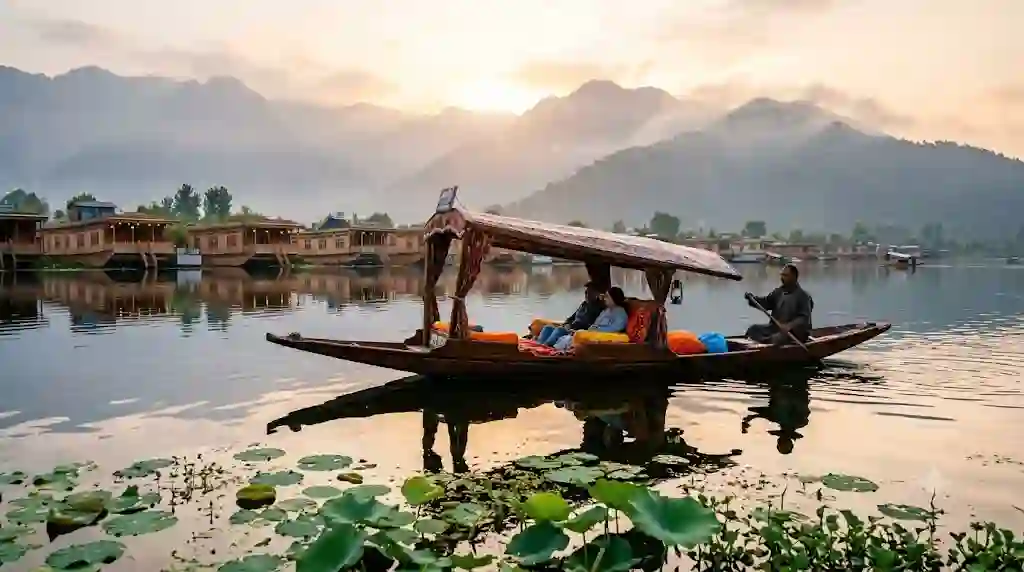
A shikara ride is the simplest way to see lake life: houseboats, floating gardens, lotus beds in summer and the Zabarwan hills behind.
Rides start from numbered ghats along the Boulevard. Nigeen Lake is generally quieter than Dal.
The notified rate is around ₹600 per hour per boat. It can rise in peak season, so treat it as a baseline, not a fixed price.
Agree three things before you board: the price per boat (not per person), the duration, and the route. Ask whether stops at floating shops are included, since those can add pressure to buy.
Sunrise and late afternoon give softer light and fewer crowds than midday. Seniors can enjoy a ride easily, though boarding from ghat steps may need a steadying hand.
Floating vegetable market
This is a dawn trade, not a performance. Growers bring produce from the lake’s floating gardens and trade in the early hours, largely wholesale, before it winds down.
It runs roughly 5 to 7 AM, so arriving at 7:30 means you have missed it.
It does not run year-round. Expect it in warmer months and not in deep winter, when there is little produce.
Ask your houseboat host or hotel to arrange the shikara the day before. Carry cash, and ask before photographing vendors. also, see complete Guide on Floating Market .
An evening on a houseboat
Even if you are staying in a hotel, a houseboat evening is an activity in itself: tea on the deck, a home-cooked dinner, and the lake at dusk.
Dal houseboats are closer to the action. Nigeen’s are generally quieter. Some houseboats sit behind the main waterfront and can be hard to find, so ask for pickup instructions.

Gardens and viewpoints
Nishat Bagh and Shalimar Bagh
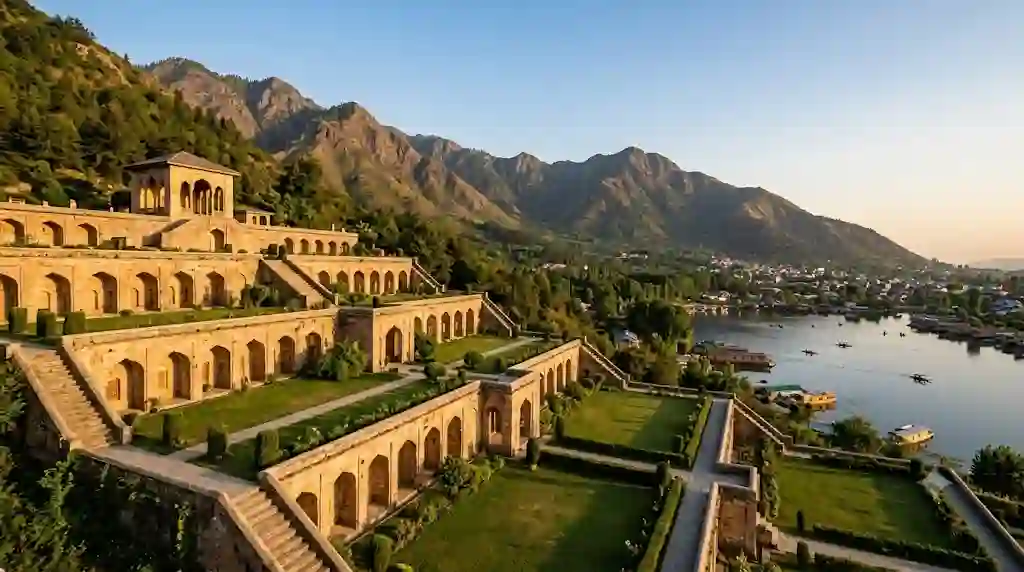
Nishat is a 12-terrace Mughal garden built in 1633. Shalimar is older, built in 1619. Both are laid out with water channels, chinar trees and lake views.
Entry is currently ₹50 for Indian visitors and ₹200 for foreign visitors. Fees can change, so carry a little extra cash.
The terraces mean steps and gentle slopes. Seniors can stay on the lower levels and still enjoy the setting.
Aim for morning for softer light and fewer tour groups. If you want golden hour, check the closing time at the gate against sunset.
Pari Mahal
Pari Mahal is a terraced garden on the Zabarwan slope above the lake, with views across the city and Dal.
Entry is currently ₹50 for Indian visitors and ₹200 for foreign visitors.
Late afternoon is the favoured time for light, and autumn adds colour. The approach is hillside, so allow for walking.
Indira Gandhi Memorial Tulip Garden (spring only)
This is a seasonal activity. Dates shift each year with the weather and the bloom. In 2026 it opened on 16 March, but never plan a trip around a fixed date. See our guide to Tulip Garden opening dates for the current season.
Entry is currently ₹100 for Indian visitors and ₹250 for foreign visitors.
Go early on a weekday if you can. Spring is also when Srinagar is busiest.
Shankaracharya Temple climb
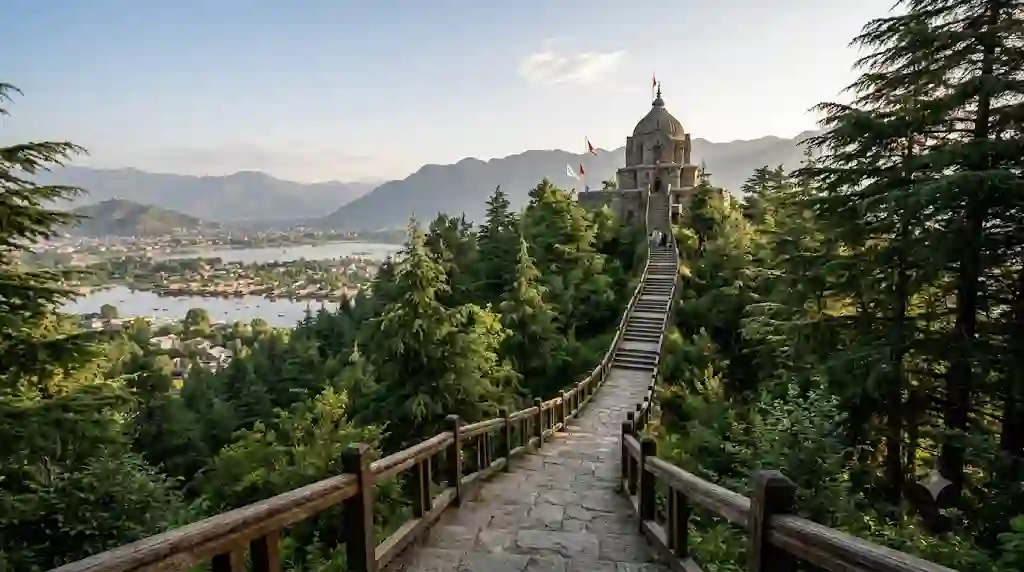
The road takes you up the hill; you then climb roughly 240 steps to the temple.
Phones, cameras and electronics are not allowed past the checkpoint, and locker arrangements are inconsistent. Leave valuables at your hotel or in the car.
Go in the morning, and allow time before the vehicles stop at the checkpoint. The climb is not wheelchair accessible. Seniors and young children should judge the steps first and take breaks.
Old Srinagar: heritage, culture and spirituality
Heritage walk in Downtown
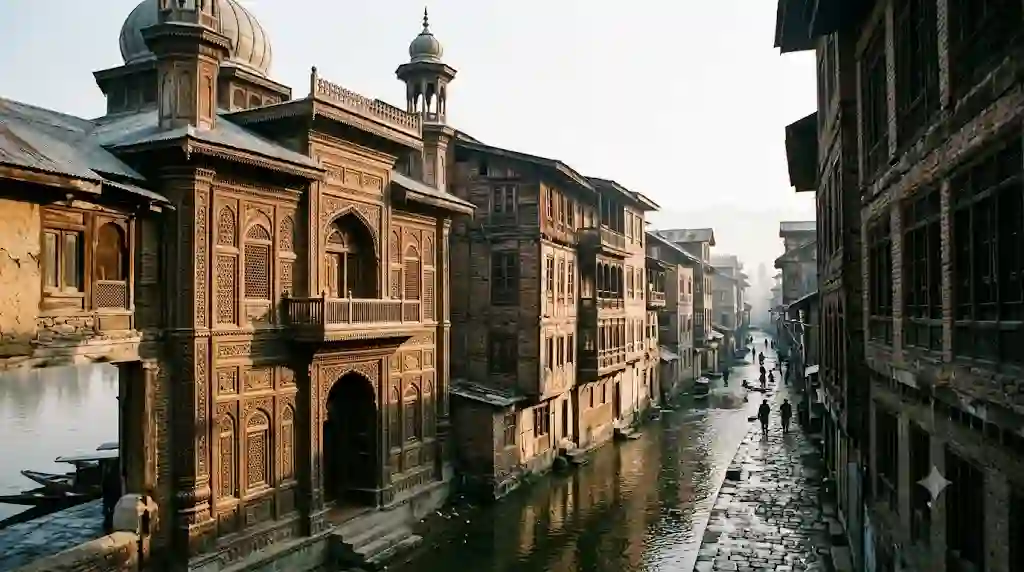
This is a walking activity, not a sight to tick off. A typical route links Zaina Kadal, Pathar Masjid, Jamia Masjid and Khanqah-e-Moula (Shah-e-Hamdan), with bazaars and the Jhelum riverside in between.
Visitors can enter Shah-e-Hamdan and Jamia Masjid. Dress modestly, and women should carry a scarf to cover the head. Look for the timber and papier-mâché ornamentation at Shah-e-Hamdan.
A local guide helps with lane navigation and context. Avoid mosques around Friday prayers, when they are crowded.
Hazratbal Shrine
Hazratbal sits on the western shore of Dal Lake and holds Kashmir’s most revered relic. Visitors are welcome. It is a calm, low-effort visit, and the lake setting is part of the experience.
Dress modestly and cover your head. Follow any gender-separated areas. Photography rules vary, so ask before you shoot.
Hari Parbat
Hari Parbat dominates the city skyline, and visitors can enter the fort. Go in daylight and check the day’s hours at the entrance. The main rewards are the hilltop views and the shrines on the hill.
Food activities
Treat food as an activity, not a break.
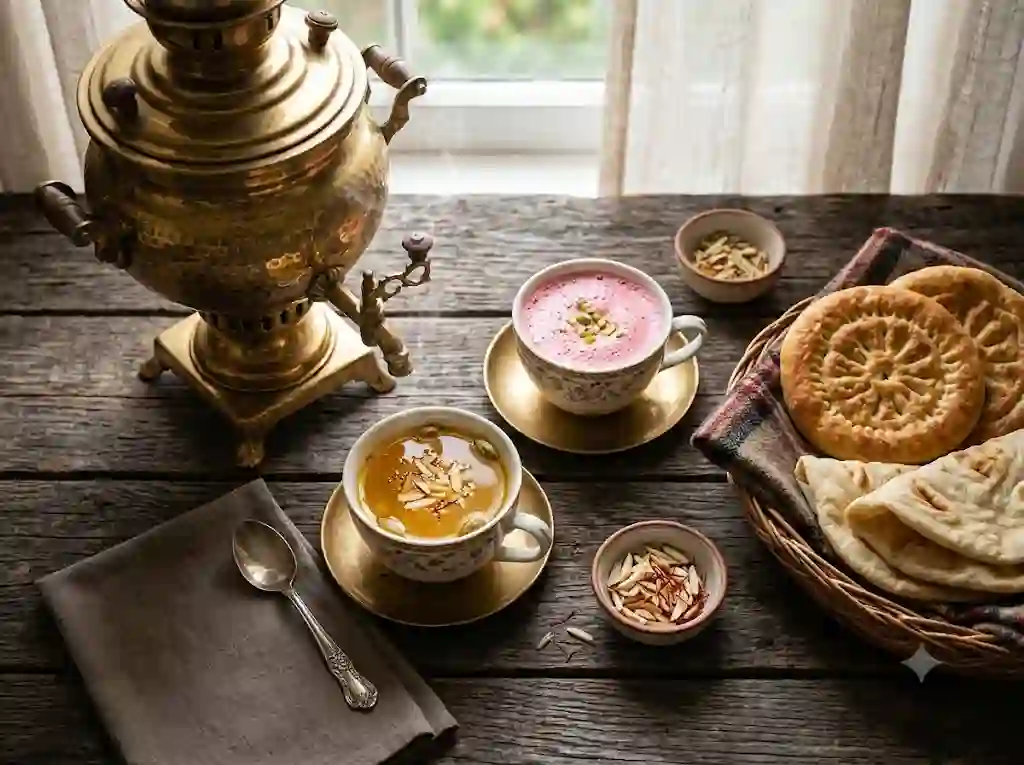
- Kahwa and noon chai: order both. Kahwa is a spiced green tea, and noon chai is the salted pink tea.
- Bakery breads: neighbourhood tandoor bakers sell Kashmiri breads such as girda and lavasa. Go in the morning.
- Wazwan: a multi-course Kashmiri feast, usually shared. Ask the restaurant what is on today, and go hungry.
- Harissa: a slow-cooked meat dish eaten in winter, usually at breakfast. It is not a year-round item.
Ask your houseboat host or driver for current favourites instead of relying on old listings.
Shopping and crafts, with buying cautions
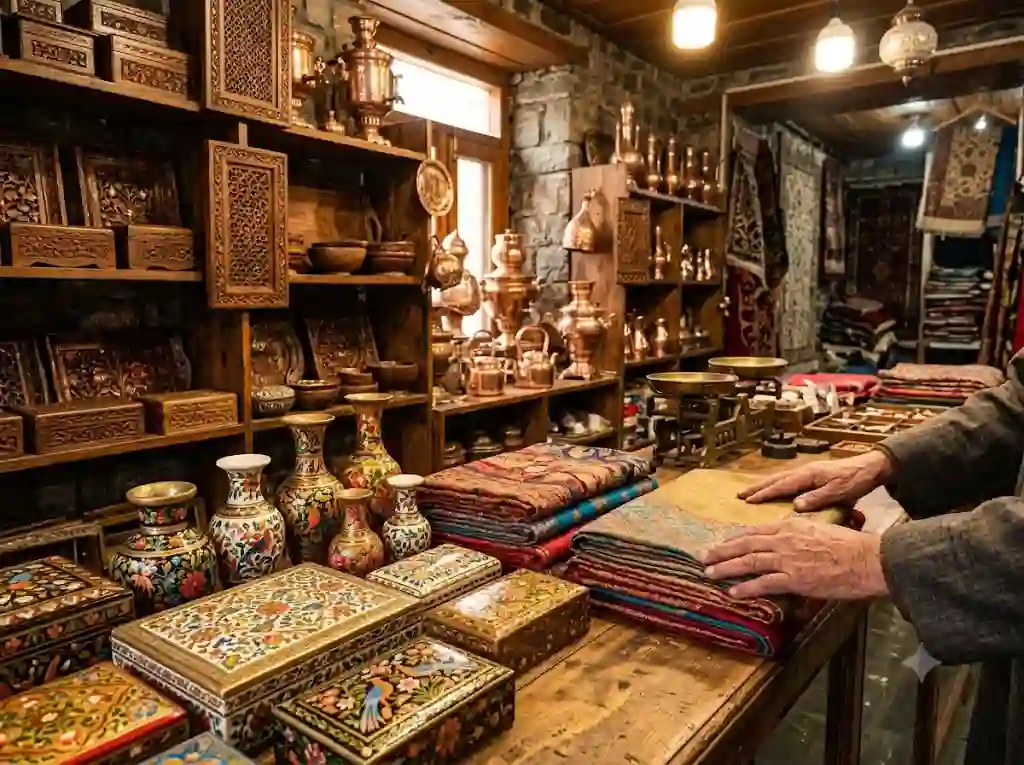
Lal Chowk, Polo View and Residency Road are the usual starting points. Typical buys are pashmina, papier-mâché, walnut woodwork, copperware, saffron and carpets.
Cautions that save money:
- Pashmina: machine-made and handmade differ hugely in price. Ask what the seller can show to document authenticity, and keep the bill.
- Papier-mâché: look at the finish and base. Hand-painted detail takes time and costs accordingly.
- Carpets: if you want them shipped, agree the shipping terms in writing.
- Prices: ask for the price first, compare across two shops, and avoid buying at the first stop on a tour.
Photography: where and when
- Dawn: the floating market, if you are an early riser.
- Morning: Nishat’s terraces and water channels.
- Late afternoon: Pari Mahal for lake and city views, and a sunset shikara.
- Anywhere: ask permission before photographing people. Shankaracharya allows no phones or cameras.
Seasonal activities in Srinagar
- Spring: Tulip Garden and gardens in bloom. This is the busiest period.
- Summer: floating market, lotus beds and long shikara evenings. See our guide to Kashmir in summer.
- Autumn: chinar colour in gardens such as Pari Mahal.
- Winter: heritage walks, kahwa, harissa, shopping and houseboat stays. Shikara rides continue in winter, though conditions can vary in cold spells.
Common planning mistakes in Srinagar
- Not agreeing the shikara price per boat before boarding, or not asking about shop stops.
- Arriving at the floating market at 7:30 AM, or expecting it in deep winter.
- Taking a phone to Shankaracharya and expecting photos.
- Planning a trip around a Tulip Garden date instead of checking the season’s dates.
- Stacking three clusters in one day, which leaves you in traffic instead of at the sights.
- Assuming card or UPI works at the ghats, the market and small shops. Carry cash.
- Visiting mosques unprepared or at Friday prayer time.
Active options in Srinagar
Beyond sightseeing, you can paddle on Nigeen Lake, try paragliding near Astanmarg, or visit Dachigam National Park. These operate through registered operators.
Book in advance, and confirm the current fee, permit rules and weather on the day. Dachigam visits in particular depend on permission.
Why choose panda tours and travels?
Panda Tours and Travels is a government-registered tour operator based in Srinagar, rated 5/5 by our guests on Google Business Profile. We believe in one thing: serving our clients well. Because our team lives in the city, we can adjust your plans on the ground if weather, traffic or timings change, and we arrange everything this guide covers, from shikara rides and houseboat stays to private sightseeing cars, airport pickups and customised itineraries for families, couples, senior travellers and groups. Tell us your dates, who is travelling and the pace you prefer, and we will suggest a realistic plan before you commit to anything.

Frequently Asked Question for Activities To do in Srinagar
What are the best activities to do in Srinagar?
The best activities to do in Srinagar are a shikara ride on Dal Lake, visiting Mughal gardens such as Nishat Bagh and Shalimar Bagh, walking through Old Srinagar’s mosques and markets, tasting kahwa and wazwan, and staying a night on a houseboat. In spring, the Tulip Garden is a seasonal highlight.
How do I spend one day in Srinagar?
Start with a sunrise or morning shikara ride, then visit Nishat and Shalimar gardens before lunch. Spend the afternoon on Old Srinagar’s mosques and bazaars or Pari Mahal, depending on your interests, and end with a sunset shikara or kahwa by the lake.
Is a shikara ride on Dal Lake worth it?
Yes, if you choose the time and route well. Sunrise and sunset rides show lake life at its best. The notified rate is around ₹600 per hour per boat, which can rise in peak season. Agree the price per boat, route and duration before boarding, and ask about shop stops.
Which activities in Srinagar suit families with children?
Gardens such as Nishat and Shalimar, a daytime shikara ride and a relaxed houseboat evening suit most families. Avoid very early starts like the floating market with young children unless they cope well with early mornings. Shankaracharya involves around 240 steps, so judge your child’s stamina first.
Which activities suit senior citizens?
Choose lower-effort activities: a shikara ride from a ghat, garden visits where you can stay on the lower terraces, Hazratbal’s lakeside setting and a houseboat evening. Shankaracharya requires climbing around 240 steps, so consider skipping it or climbing slowly with rests. Check any medical concerns with your doctor.
What can couples do in Srinagar?
Couples do well with a sunset shikara ride, a quiet evening on a houseboat on Nigeen or Dal, a walk through Pari Mahal near sunset, and kahwa afterwards. Ask your houseboat host to arrange the sunset ride, and agree the shikara price per boat beforehand.
What are the best activities to do in Srinagar in winter?
Winter suits cultural activities: Old Srinagar heritage walks, kahwa and winter foods such as harissa, shopping and houseboat stays. Shikara rides continue in winter, though conditions can vary in cold spells. The floating market may not run in deep winter, so ask your host before planning an early start.
What cultural experiences can I have in Srinagar?
Walk Old Srinagar’s bazaars and the Shah-e-Hamdan and Jamia Masjid areas, where visitors are welcome with modest dress, then visit Hazratbal. Try kahwa and wazwan, and watch papier-mâché or walnut-wood craft work where workshops welcome visitors. Avoid peak Friday prayer hours.
Plan your Srinagar activities with local help
If you would like help arranging a shikara, a houseboat evening, a heritage walk or a car with a driver, the Panda Tours team in Srinagar can build it around your dates and group.
If you are planning more of Kashmir, we can also customise a wider trip. Browse our Kashmir tour packages, including the 3 nights 4 days Kashmir tour package for shorter stays. Share your dates and who is travelling, and we will suggest a realistic plan.
| M | T | W | T | F | S | S |
|---|---|---|---|---|---|---|
| 1 | 2 | 3 | 4 | |||
| 5 | 6 | 7 | 8 | 9 | 10 | 11 |
| 12 | 13 | 14 | 15 | 16 | 17 | 18 |
| 19 | 20 | 21 | 22 | 23 | 24 | 25 |
| 26 | 27 | 28 | 29 | 30 | 31 | |