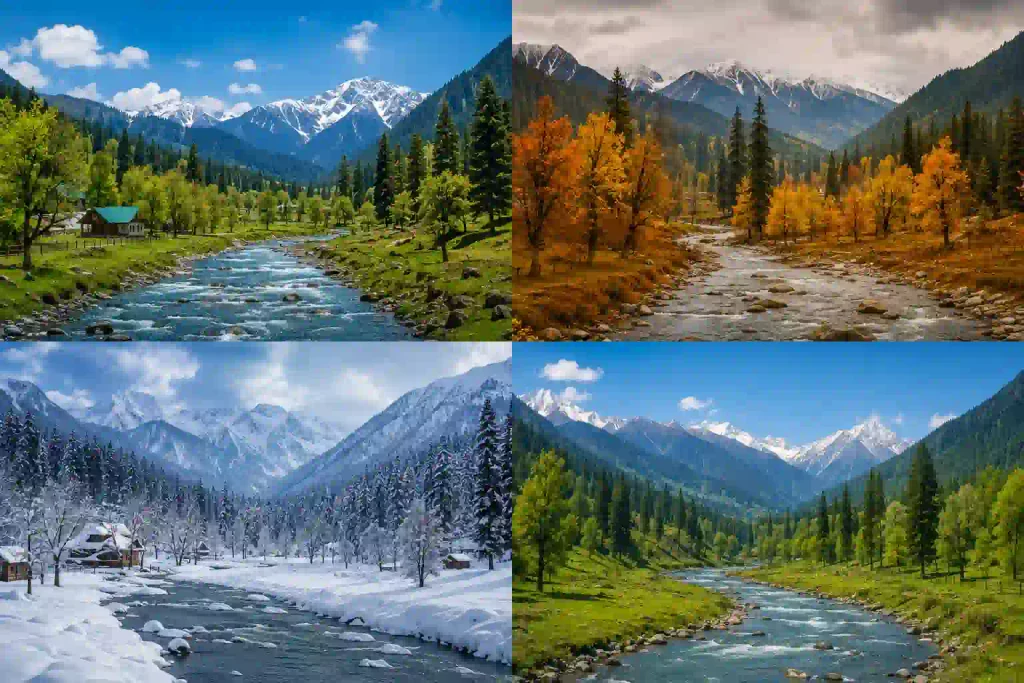
There is no single best time to visit Pahalgam — it depends on what you want from the trip. For most travellers, April to June offers the best overall balance of mild weather, green meadows and manageable crowds. Snow lovers should plan for December to February, when Pahalgam typically sees its heaviest snowfall, though exact dates and depth vary each year. For fewer crowds with pleasant walking weather, late September to November works well, with autumn colours peaking in October. July to September brings warmer, occasionally wet weather and thinner tourist numbers than peak summer. Always check the current forecast a few days before travelling, since Himalayan weather can shift quickly.
Panda Tours and Travels is a Srinagar-based local tour operator helping travellers plan Kashmir holidays and seasonal trips. The company provides local travel assistance and customised Kashmir travel planning from Srinagar. Registration No.: JKEA00006046 GST No.: 01BDCPA2043R1ZY .
What Is the Best Time To Visit Pahalgam?
For most first-time visitors, April through June is the best overall period to visit Pahalgam. Winter snow has usually melted from the lower valley by this point, the Lidder river runs full from snowmelt, and the meadows around Betaab Valley and Aru turn a deep, saturated green. Daytime temperatures generally sit in a comfortable range for walking, sightseeing and short treks, and evenings stay cool without being harsh. This is also when Kashmir’s broader tourist season is in full swing, which means more hotel choices, more transport availability, and generally easier logistics — the trade-off being that popular viewpoints can get busy, especially around late May and June.
That said, “best” is not fixed. A traveller chasing snow will find April and May too late, since fresh snowfall at valley level becomes rare by then. Someone hoping for solitude and soft light for photography is usually better served by October or November, once the summer crowds have thinned and the poplar and chinar trees turn amber. And a traveller who’s flexible on weather but wants a quieter, lower-cost trip may actually prefer parts of the monsoon window, when Pahalgam sees fewer visitors than the Kashmir valley’s other hill stations. The honest answer is that Pahalgam doesn’t have one perfect season — it has several good ones, each suited to a different kind of trip.
Pahalgam Best Time by Season at a Glance
| Period | Weather Feel | Landscape | Snow Potential | Crowd Pattern | Best For |
|---|---|---|---|---|---|
| March–April | Cool, transitioning from winter | Melting snow patches, early green | Possible early in March, fading by April | Low to moderate | Early-season travel, fewer crowds |
| May–June | Mild to warm, comfortable | Lush green meadows, full river flow | Rare | High | First-time visitors, general sightseeing |
| July–September | Warm days, variable rain | Deep green, occasional mist | Very rare | Moderate | Quieter trips, monsoon-tolerant travellers |
| October–November | Cool, crisp | Autumn colours, thinning foliage | Possible by late November | Low | Photography, peaceful travel |
| December–February | Cold, often below freezing at night | Snow-covered valley | High | Low | Snow seekers, winter scenery |
Pahalgam in Spring: March to April
Spring is a transition period, and it shows. Early March can still carry leftover winter snow at higher points around Pahalgam, while lower ground begins to thaw. By April, most of the valley floor has cleared, though nearby elevated spots may hold snow a little longer depending on the year’s weather pattern. Temperatures move from cold to mild across these two months, and the greenery returns gradually rather than all at once — March often looks brown and bare, while April starts showing fresh shoots and blossom.
Visitor numbers are generally lower than the peak summer months, which makes March and April appealing if you’d rather avoid queues at popular spots. The trade-off is unpredictability: a cold spell or late-season snowfall can still occur, so it’s worth packing layers and checking conditions close to your travel date. Travellers timing a Kashmir trip around the Srinagar tulip season sometimes extend into Pahalgam during this window as well.
Pahalgam in Summer: May to June
May and June are when Pahalgam is arguably at its most comfortable. Daytime weather is generally pleasant, the valley is fully green, and the Lidder river is at its most active from snowmelt higher up. This is peak season for a reason — road access is straightforward, hotels and local transport are running at full capacity, and most travellers find the conditions easy regardless of experience level.
The obvious downside is demand. Late May into June tends to be the busiest stretch of the year, with more visitors at Betaab Valley, Aru and Chandanwari, and higher accommodation prices during the peak weeks. If you want the classic green-valley experience and don’t mind sharing it with other travellers, this remains the most dependable choice.
Pahalgam in Monsoon: July to September
Pahalgam is not a conventional high-rainfall monsoon destination in the way parts of mainland India are, but July to September does bring more variable weather than summer’s settled pattern. Expect a mix of sunny mornings, cloud build-up through the day, and intermittent rain, which can vary noticeably from one week to the next. The landscape stays green and often looks even more vivid after rain, though hazy skies can sometimes limit long-distance mountain views.
This period usually sees fewer tourists than May–June, which appeals to travellers who prioritise a quieter trip over guaranteed clear skies. It’s also when the Amarnath Yatra pilgrimage passes through the wider Pahalgam region, which can affect local traffic and accommodation on specific dates — worth checking before booking. Genuine travel disruption from heavy rain is possible but not the norm; it’s more a matter of carrying a light rain layer and staying flexible with outdoor plans.
Pahalgam in Autumn: October to November
Autumn is one of Pahalgam’s most underrated windows, and a real point of difference from most standard advice. Temperatures cool noticeably through October, days stay generally clear, and the valley’s poplar and walnut trees shift into gold and amber — a different visual experience from summer’s uniform green. By November, the cold sets in more firmly and the first light snow can appear toward the month’s end in some years, though it isn’t guaranteed.
Crowds thin out considerably compared to summer, roads and viewpoints feel calmer, and this is often the season photographers and repeat visitors prefer. The trade-off is that some higher-altitude spots may start closing access or reducing services as winter approaches, and nights get cold enough to need proper layering. If you want scenery that looks distinctly different from the typical “green valley” postcard shot, October is worth prioritising.
Pahalgam in Winter: December to February
Winter is Pahalgam’s snow season. From December through February, the valley regularly sees snowfall, temperatures drop well below what most summer travellers are used to, and the landscape transforms into a genuinely different destination — white meadows, frozen edges along the Lidder river, and a much quieter town overall.
This period suits travellers who specifically want snow, winter photography, or a calmer, off-peak Kashmir trip. It does not suit everyone: daytime highs can stay low, nights are cold enough to require serious winter clothing, and some roads or activities may be affected depending on snowfall intensity in a given week. Snowfall itself is never guaranteed on exact dates — it depends on that year’s weather pattern — so travellers chasing snow should build some flexibility into their itinerary rather than fixing a single date around it.
Planning a trip to Pahalgam is easier when your travel dates, accommodation, transport, and activities are arranged in advance. Travellers can explore suitable Kashmir trip packages based on their preferred season, arrange a reliable Kashmir taxi service for comfortable local travel, and discover the best adventure activities to enjoy during their stay. Choosing the right combination according to the season can make your Pahalgam trip more comfortable and enjoyable.
Best Time To Visit Pahalgam for Snowfall
December to February is the most reliable window for snow in Pahalgam, with January generally the coldest and often the snowiest month. Snowfall timing and intensity change year to year, so there’s no fixed date when snow is guaranteed — some winters bring heavy early snow in December, others see the heaviest falls in late January or February. Travellers planning specifically around snow should keep a few flexible days rather than a single fixed date, and confirm current road and weather conditions before departure.
Best Time To Visit Pahalgam for Greenery
The greenest landscape generally appears from late April through June, once winter snow has cleared and the monsoon hasn’t yet added humidity to the air. The meadows around Betaab Valley and Aru are at their fullest during this stretch, and the Lidder river runs strong from snowmelt. July through September stays green too, sometimes even more saturated after rain, but skies can be hazier than the clearer early-summer light.
Best Time To Visit Pahalgam for Pleasant Weather
May and June offer the most consistently comfortable daytime conditions for walking and sightseeing, without the cold of spring or the variability of monsoon. September, once the heaviest monsoon activity eases, and early October also tend to be pleasant, with the bonus of thinner crowds than peak summer.
Best Time To Visit Pahalgam for Fewer Crowds
October, November, and the early-March to mid-April spring window generally see noticeably fewer visitors than the May–June peak. Winter (December–February) is quieter still, though it comes with cold-weather trade-offs. No period in Pahalgam is ever completely empty — it remains a popular Kashmir destination year-round — but these windows offer a calmer pace without the extreme trade-offs of deep winter.
Best Time To Visit Pahalgam for Families and Couples
Families travelling with young children or older relatives generally find May and June the most manageable, thanks to stable weather, easy road access and a full range of hotel and activity options. Couples looking for a quieter, more scenic trip often prefer October for its autumn colours and thinner crowds, or winter if a snow-filled honeymoon setting is the goal — in which case it’s worth planning for cold-weather comfort over sightseeing volume.
Is April a Good Time to Visit Pahalgam?
Yes, with some caveats. April sits at the tail end of spring transition — most valley-floor snow has melted, greenery is returning, and crowds are lighter than in peak summer. Weather can still be unsettled, with cooler mornings and the occasional cold snap, so it suits travellers who want an early, less crowded trip and don’t mind variable conditions over guaranteed warmth.
Is May a Good Time to Visit Pahalgam?
Yes, May is one of the strongest all-round months. The valley is green, the weather is generally comfortable for sightseeing, and infrastructure is running at full capacity for the season. It’s also when demand starts climbing toward peak summer, so booking ahead helps, especially for the second half of the month.
Is June a Good Time to Visit Pahalgam?
Yes, though it’s the busiest month alongside May. Weather is typically at its most reliable, the valley is fully green, and most activities are available. Expect higher prices and more visitors at popular spots compared to spring or autumn.
Is July a Good Time to Visit Pahalgam?
It can be, for travellers who don’t mind variable weather. July brings warmer, sometimes humid days with a chance of rain, and generally fewer tourists than May–June. It suits those prioritising a quieter trip over guaranteed clear skies, and it’s worth checking Amarnath Yatra-related traffic if travelling through the region during this period.
Is August a Good Time to Visit Pahalgam?
Similar to July — warm with intermittent rain and changeable skies. The landscape stays lush, and crowd levels are usually moderate rather than heavy. It’s a reasonable choice if your itinerary has flexibility for the occasional rained-out afternoon.
Is September a Good Time to Visit Pahalgam?
Yes, and often underrated. Monsoon activity generally eases through September, days become more settled, and it bridges into the pleasant early-autumn stretch. Crowds are lighter than summer, making it a good balance of decent weather and a calmer pace.
Is October a Good Time to Visit Pahalgam?
Yes — October is frequently one of the best months for travellers prioritising scenery and quiet over guaranteed warmth. Cooler temperatures, clearer skies, and turning autumn foliage combine well, with noticeably fewer tourists than the summer peak.
Is November a Good Time to Visit Pahalgam?
Yes, for cold-tolerant travellers. November is markedly colder than October, with the first light snow possible toward month’s end in some years. Crowds are thin and the town feels quiet, but proper cold-weather clothing becomes necessary, especially in the evenings.

Which Month Should You Choose for Pahalgam?
| What You Want | Recommended Period | Main Reason |
|---|---|---|
| Best overall experience | April – June | Comfortable weather, full greenery, easiest logistics |
| Pleasant weather | May – June | Most stable, moderate temperatures |
| Green landscapes | Late April – June | Post-snowmelt growth, active river flow |
| Snowfall | December – February | Peak winter snow window |
| Quiet atmosphere | October – November, or winter | Thinner crowds after peak season |
| Winter scenery | December – February | Snow-covered valley and Lidder riverbanks |
| Cooler autumn conditions | October | Turning foliage, crisp clear air |
A Local Perspective on Choosing the Best Time for Pahalgam
Most Kashmir travel enquiries we get ask for “the best month” as if there’s one correct answer — and honestly, that’s the wrong question to start with. A better first question is: what does the traveller actually want to see and feel? Someone who’s dreamed of snow-covered pine trees needs a completely different travel window than someone who wants green meadows and a comfortable walk along the Lidder river.
What we’d add beyond the general seasonal breakdown is that Himalayan weather doesn’t follow a strict calendar. A cold March can push spring later than usual; a dry December can delay the first heavy snowfall into January. Anyone planning specifically around snow or clear skies should build in a buffer rather than fixing an entire itinerary around one date, and it’s worth checking road and weather conditions close to departure rather than relying only on general seasonal patterns.
So, What Is the Best Time To Visit Pahalgam?
For most travellers: April to June, for the easiest mix of weather, greenery and access. For snowfall: December to February, with January typically the coldest and snowiest. For greenery: Late April through June, once winter snow has cleared. For quieter travel: October–November, or the early spring window before peak season begins.
Whichever window you choose, it’s worth checking the current weather forecast a few days before travelling, since conditions in the Himalayas can shift faster than general seasonal averages suggest.
Travellers who are unsure which dates suit the weather they want in Pahalgam can contact Panda Tours and Travels on +91 7006982655 for local travel-date guidance.
Why Choose Panda Tours and Travels?
Travellers choose Panda Tours and Travels for local assistance, private transportation, clear package inclusions and support throughout their Kashmir trip. With a 5-star Google rating, our Srinagar-based team helps arrange stays, airport or railway station pickup and drop, sightseeing, Shikara rides and customized Kashmir trips with transparent booking terms. We focus on practical planning, comfortable travel and quick local support whenever you need us.

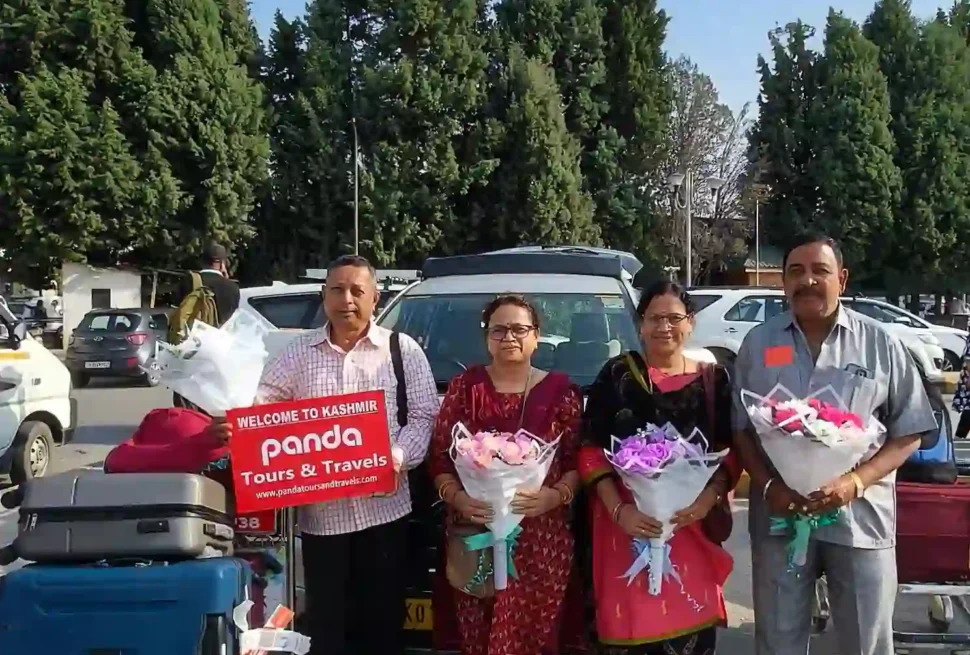
Our association with Panda Tours and Travels is quite memorable and amazing. It is quite apt for senior citizens to visit their dream destination by seeking assistance from Panda Tours and travels. They are patient, flexible and quite understanding towards your needs. Ahmed Sir is a gem of a person and the driver cum guide Irshad bhai served as a great company and gaurdian to travel with. As per our experience I will definitely recommend everyone to visit this beautiful destination with Irshad bhai. This would make your journey more meaningful and comfortable. Sharing some of the mesmerizing pics of kashmir - truly a heaven on earth.

Alpana Priya
3 weeks ago
⭐⭐⭐⭐⭐ FROM BANGLADESH 🇧🇩 MA ALIM Excellent experience with Panda Tours & Travels! The service was great, the team was friendly and helpful, and everything was very well organized. Our driver Mr Altaf was friendly, great nature and highly knowledgeable They made our Kashmir trip smooth, comfortable, and truly memorable. Highly recommended! ❤️🙏

Abdul Alim
3 weeks ago

Saiyadur Raiyan
3 weeks ago
⭐⭐⭐⭐⭐ A heartfelt thank you to Panda Tours & Travels and the entire team for their excellent service and support throughout our Kashmir trip. Everything was well organized, and the team was always helpful and responsive. We truly appreciate your efforts in making our trip smooth, comfortable, and memorable. Highly recommended! ❤️🙏

Asaduzzaman Nur
3 weeks ago
Top Local travels and tours agency in Srinagar Kashmir, Fully Fully Satisfied with the services and areangments.Start to finish all topnotch and hassle free, We are Senior citizens 70+ Aged and we hadn't find any any problem, Strongly strongly Recommended this local Kashmir based teavels agency for all and all visitors to Kashmir.Big thanks to Owner Mr Ahmad, Every evening was calling us and caring about like is all good same same. Thank you

Nandini Chakraborty
4 weeks ago
Huge thanks to [Mr Ahmad] at [Panda tour and travel] for planning our honeymoon to [kashmir sonmarg gulmarg pehalgam ]! They listened to exactly what we wanted—a mix of relaxation and adventure—and crafted the ultimate itinerary. The resort was breathtaking, and the private dinner surprise they arranged was the icing on the cake. We’ll definitely be booking our future trips with them!"Thank you panda family and Huge thanks to our driver Mr Ishfaq for making our trip so comfortable and safe! The vehicle was spotlessly clean, well-maintained, and spacious. He was consistently punctual, drove extremely safely across all routes, and knew all the best shortcuts and local food spots. Polite, friendly, and professional throughout—couldn't have asked for a better driver!"

Anayat Ali Jara
4 weeks ago
We book our srinagar complete tour with Panda tour & travel. All tour was excellent with hotels. Houseboat. Food and specialy car driver Ishfaq treat us as family members. He guide us at every point. We are very thankful to Panda tour &travel for such a amazing tour.Thanks.Davinder Mehta from ludhiana. Punjab

Davinder Mehta
4 weeks ago
I book panda tour travel packages 5 N 6 All hotels good and meal also and taxi Driver Mr Ishfaq Ahmad. Very good

Jiwan Lal
4 weeks ago
This teavel agency is Best among eqauals Srinagar Kashmir travel agency, Realy provided us top tour services and all was perfectly manager start to end of our Kashmir family tour package in sep 2026. We approached many other local teavel agencies but we found panda tours was top in assistance, Guidance, behavior of talking, and send us word to itinerary,So finally we booked Kashmir trip of 5N 6D with this local travels.Big THANKS to Mr ahmad Owner of Compand Driver Sam bhai and team also, every evening were calling us about trip and wellness.Strongly recommended this local travel agency for kashmir tour planners and who like to have stress free Kashmir tour.

Fazil Ahmad
1 month ago
Our Srinagar - Kashmir Tour experience was extensively glorious with Panda Tours And Travels... We got a warm welcome at Srinagar Airport and a great hospitality and services. Their services are really good for eg. car service, hotels etc. They are really helpful.... On our first night my husband was very sick and they immediately helped us with doctors, medicine and other needs... Ahmed sir came to our room as soon as he heard the news... He took up a great trouble for us... We also experienced a snow fall in our second day in Gulmarg... It was really a magnificent experience with them..... Lots of thanks to Panda Tours and Travels and their full team for their full support and services....

Manjushri Karan Sau
1 month ago
FAQ’s For Best Time To Visit Pahalgam
What is the best time to visit Pahalgam?
The best time to visit Pahalgam is generally April to June for mild weather and green landscapes, though this depends on what you want. Snow seekers should target December to February instead, since seasonal priorities change the “best” answer.
What is the best month to visit Pahalgam?
May is often considered the strongest single month, combining comfortable temperatures, full greenery and reliable road access. June is a close second, though slightly busier with tourists.
Is Pahalgam good in summer?
Yes, summer (May–June) is Pahalgam’s most popular season thanks to comfortable weather and lush meadows. Expect higher visitor numbers and accommodation prices during this peak window compared to other months.
Is Pahalgam good in winter?
Yes, if you specifically want snow. Winter (December–February) transforms Pahalgam into a snow-covered destination, but it comes with cold temperatures and fewer active outdoor activities than the warmer months.
When does it snow in Pahalgam?
Snowfall typically occurs from December through February, with January usually the coldest and often the heaviest snow month. Exact timing varies each year depending on weather patterns.
Is Pahalgam good for greenery?
Yes, the greenest period is generally late April through June, once winter snow melts and meadows fill in. The monsoon months keep the valley green too, though skies can be hazier.
Is Pahalgam good in autumn?
Yes, October and November are excellent for cooler weather, autumn foliage and thinner crowds. Temperatures drop steadily through November, so warm layers become necessary later in the season.
Is Pahalgam good in spring?
Yes, March and April offer a transition period with melting snow, early greenery and fewer crowds than summer. Weather can still be unpredictable, so pack layers for cooler mornings.
Is Pahalgam good during monsoon?
Pahalgam isn’t a heavy-rainfall monsoon destination, but July–September does bring variable weather with intermittent rain. Crowds are generally lower than summer, appealing to travellers comfortable with changeable skies.
What is the coldest time to visit Pahalgam?
January is generally the coldest month, with temperatures regularly dropping well below freezing at night. December and February are also cold, though slightly milder than peak January conditions.
When is Pahalgam least crowded?
Pahalgam sees the fewest visitors during winter (December–February) and in the early spring window before mid-April. October and November are also noticeably quieter than the May–June peak.
Can Pahalgam be visited year-round?
Yes, Pahalgam is generally accessible throughout the year, though the experience changes significantly by season. Winter travel requires cold-weather preparation, while summer and spring suit general sightseeing more easily.