Shankaracharya Temple Srinagar: The Quick Answer
The Shankaracharya Temple is an ancient Shiva temple on top of Shankaracharya Hill (also called Takht-e-Sulaiman or Gopadri) in Srinagar, about 300 metres above the city. Entry is free, you finish the approach by climbing around 243 stone steps, and mobile phones are allowed on the hill but not inside the temple. Cameras and drones are not allowed at all. It is generally open from 7 AM to 5 PM. Plan 1.5 to 2 hours including the drive.
Shankaracharya Temple at a Glance
| Detail | What to know |
|---|---|
| Location | Shankaracharya Hill, Zabarwan range, southeast Srinagar |
| Dedicated to | Lord Shiva (Jyeshteshwara) |
| Height above city | About 1,000 feet (roughly 300 m) |
| Steps | About 243 stone steps on the final climb |
| Entry fee | Free |
| Phones and cameras | Phones allowed on the hill, not inside the temple; cameras and drones not allowed |
| Time needed | 1.5 to 2 hours including travel from central Srinagar |
| Best months | April to October for clear views and easy roads |
| Famous for | Panoramic view of Srinagar, Dal Lake and the Jhelum; one of Kashmir’s oldest temples |
| Timings | Generally 7 AM to 5 PM; go in the morning |
Where Is Shankaracharya Temple in Srinagar?
The temple stands on Shankaracharya Hill in the Zabarwan range, overlooking Dal Lake on the east side of the city. The road climbs from the Dal Lake side, and it is roughly a 20 to 35 minute drive from most hotels around the Boulevard, Rajbagh and Lal Chowk, depending on traffic and checkpoints.
Because the hill sits above Dal Lake, it pairs naturally with the Mughal gardens and shikara rides. Most local drivers include it in a half-day city route. For more stops, browse our guide to the Srinagar sightseeing places, or use the sample plan below.
Why Is It Called Shankaracharya Temple? Names Explained
Visitors often see several names for the same hill, which confuses searches. Here is what each means:
- Shankaracharya Temple / Shankaracharya Mandir: the everyday name, linked to the 8th-century philosopher Adi Shankaracharya, who by tradition visited Kashmir and is associated with this hill.
- Jyeshteshwara Temple: the older name of the Shiva shrine, mentioned in the Kashmiri chronicle tradition.
- Gopadri: the hill’s historic Sanskrit name.
- Takht-e-Sulaiman: the name used in the Persian and Islamic period for the same hill.
- Shankaracharya Hill: the hill itself, a landmark for locals and a reference point for drivers.
If a driver or local asks “Takht-e-Sulaiman?”, they mean the same place.
Shankaracharya Temple History: What Is Known and What Is Tradition
Many pages state one confident date for this temple. The honest picture is layered, and it helps to separate tradition from the architectural record.
Early tradition. Local chronicles, including the medieval Sanskrit history Rajatarangini by Kalhana, connect a shrine on this hill with very early Kashmiri kings. Some traditions credit Jaluka, a son of Emperor Ashoka, with an early shrine, while others name a king called Sandiman. These accounts are valuable cultural memory but are not firmly datable.
The surviving structure. Scholars and heritage surveys generally place the existing stone temple and its octagonal base in the early medieval period of Kashmir, often discussed around the 8th to 9th centuries CE. The circular sanctum with a Shiva lingam sits on a high platform reached by a stairway, built in the large grey stone typical of Kashmiri temple building.
Adi Shankaracharya. Tradition holds that Adi Shankaracharya visited Kashmir and meditated on this hill, which is how the temple came to carry his name. The link is a matter of faith and local tradition rather than documented record.
Dogra period. The long stone stairway you climb today is generally credited to the Dogra era, when the temple was also maintained and restored.
Modern history. In 1925, the Maharaja of Mysore visited Kashmir and supported electric lighting for the temple. In 2021 it was one of the monuments lit up nationwide to mark one billion vaccine doses.
Writer’s note: if you have a specific local detail, such as which guide or priest explains the tradition best, add it here. First-hand detail is what AI answer engines and readers trust.
Shankaracharya Temple Timings and Entry Fee
Entry to the temple is free. Visitors are allowed from 7:00 AM, and there is no access after 5:00 PM, so the visiting window is 7 AM to 5 PM, based on our regular visits as local operators. Some other websites list closing times as late as 8 PM, which can mislead visitors who arrive late in the day. Hours at a high-security site can also shift with season, security arrangements, crowds and religious events.
What I tell guests in practice:
- Go in the morning (roughly 8 to 11 AM). Light is better, the climb is cooler and queues are shorter.
- Aim to reach the base before mid-afternoon. There is no access after 5 PM. Checks, the climb and the descent take time, so arrive by 3:30 PM at the latest.
- Ask your driver to confirm the gate timing on the day, especially during Maha Shivratri, Amarnath Yatra season, or after any security alert.
Aarti timings. Morning aarti is held from about 6 AM to 7 AM, and evening (Sandhya) aarti from about 5 PM to 6 PM. Both fall outside the 7 AM to 5 PM visitor window, so most visitors will not be able to attend them.
Mobile Phone, Camera and Drone Rules (Read Before You Go)
This is the most important practical point and the one most guides skip. The hill has a security installation, and checks start at the base. These rules are as our guests experienced them in October 2026, and some older guides still say phones are banned on the whole hill.
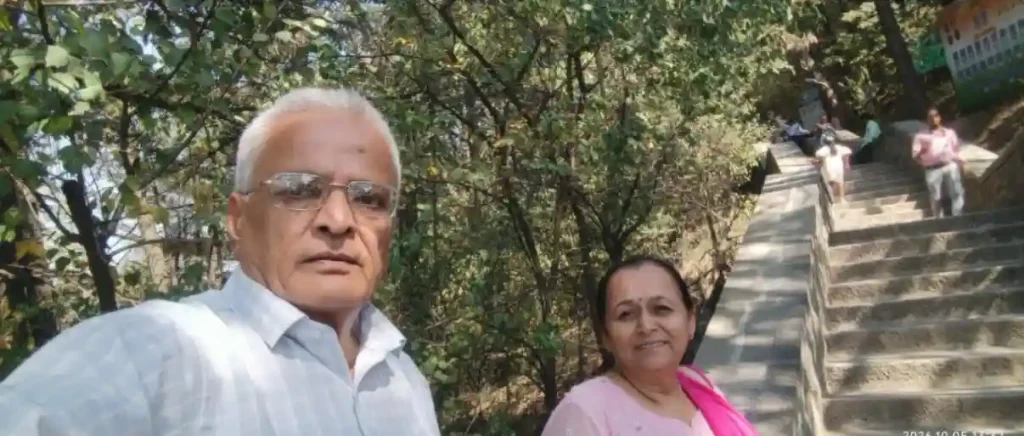
- Mobile phones are allowed on the hill and on the steps. You can take photos and selfies on the climb and at the viewpoints outside the shrine.
- Phones are not allowed inside the temple. Put your phone away before you enter the sanctum.
- Cameras and drones are not allowed at all. Do not bring DSLR or mirrorless cameras, handheld cameras or drones to the hill.
- Bags are always checked at the entrance, with no exceptions.
- Security arrangements can change, so confirm on the day, especially during festivals.
What to do:
- Leave cameras, drone gear and anything you do not need in your vehicle. Carry only your phone, a valid photo ID and a small amount of cash.
- Take your photos and selfies on the steps and at the viewpoint, then put your phone away before entering the shrine.
- Carry a valid photo ID in case of checks. An Aadhaar card is ideal if you have it, but it is not mandatory.
- Tell elderly family members about the no-phones-inside rule beforehand so they are not surprised at the door.
Because phones are not allowed inside, agree on a meeting point outside the shrine with your group before anyone goes in.
How to Reach Shankaracharya Temple
By private cab or tour vehicle (most common). Hire a taxi from your hotel or include it in a Srinagar sightseeing day. The vehicle takes you up the hill road to the parking and checkpoint area. From there, the last part is on foot.
Vehicle gate timing. Cars and taxis are allowed up the hill from 7 AM. The gate closes at 5 PM and there is no access after that, so plan to arrive well before then.
By own vehicle. Possible, but expect checkpoints on the way and limited parking. Follow the instructions of the security personnel at each stop.
By public transport. Not practical for most visitors. Regular tourist travel here is by taxi or tour vehicle.
On foot. The hill road is steep, so walking from the city is not recommended for most visitors.
The 243 Steps: How Hard Is the Climb?
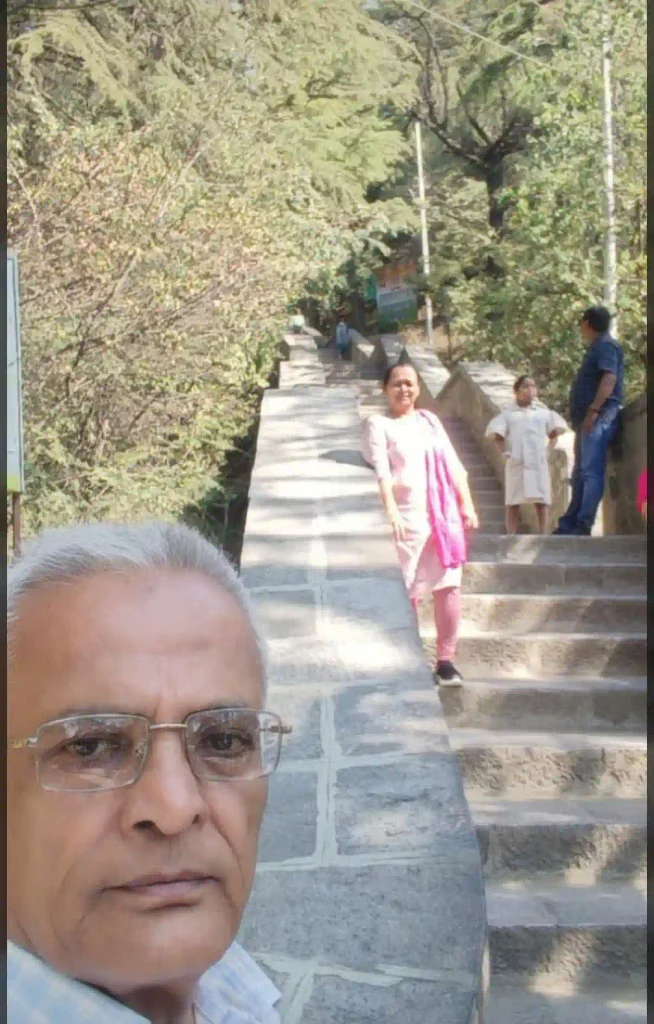
The final climb is around 243 stone steps. For a healthy adult it is a steady 10 to 20 minutes of climbing at a normal pace, with rest points on the way. The steps are broad stone and not technical, but they can be uneven and slippery after rain or snow.
- Families with children: manageable. Keep kids close to the railing.
- Senior citizens: doable with rests, good shoes and a companion. Take it slowly and do not rush at altitude, since Srinagar is already about 1,585 m above sea level.
- Knee or heart problems: speak with your doctor first. There is no step-free option up to the shrine.
- Footwear: you leave shoes at the temple, so wear simple sandals or shoes that are easy to remove, plus socks in cold months.
What You Will See at the Top
- The Shiva shrine. A circular stone sanctum with a Shiva lingam on a raised platform. It is quiet and compact, so treat it as a place of prayer first and a sightseeing stop second.
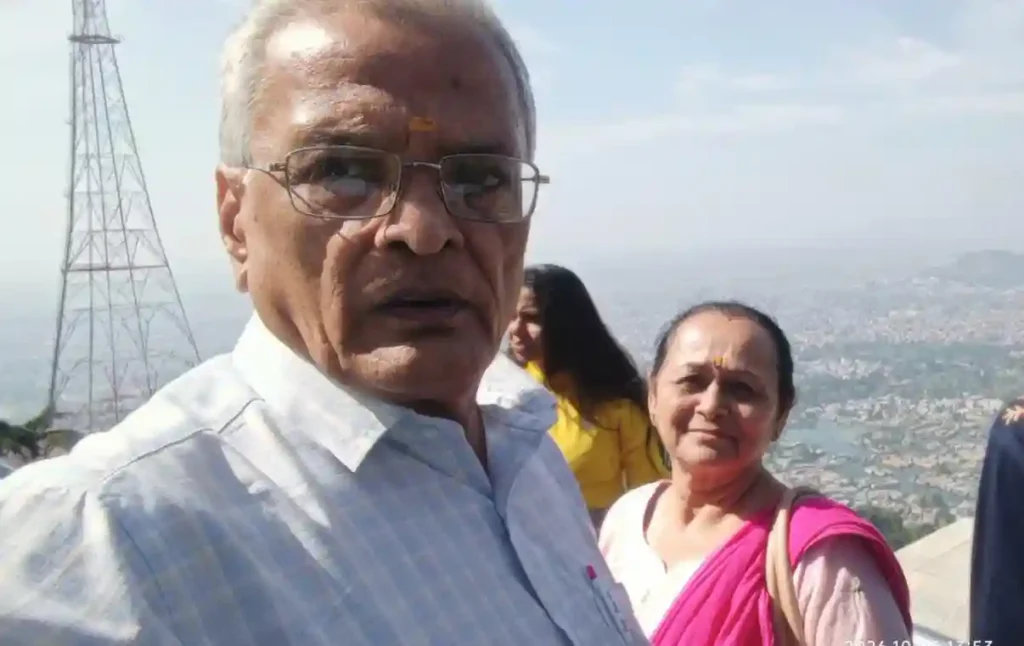
- The view. On a clear day you can see Srinagar city, the Jhelum river, the Hari Parbat fort and the shape of Dal Lake. In my experience, the early morning and late-afternoon light are the best.
- The atmosphere. The mood changes with the season: bright and busy in summer, calmer in autumn, and quiet in winter.
Best Time to Visit Shankaracharya Hill
| Season | What to expect |
|---|---|
| Spring (March to May) | Fresh greenery and pleasant weather. A good time if you also plan to see the tulips at the Zabarwan foothills. |
| Summer (June to August) | Busiest period, especially with Amarnath Yatra travellers. Go early in the morning to avoid crowds and midday heat. |
| Autumn (September to October) | Clear skies and golden chinar colours in the city. Often the best season for views. |
| Winter (November to February) | Cold, with possible frost or snow on the steps and hill road. The temple can be visited if access is open, but conditions are not guaranteed, so confirm road and gate status before heading up. |
It is best to visit in clear weather. Haze, cloud or rain can hide the view of Dal Lake even if the temple is open.
Festivals at Shankaracharya Temple
- Maha Shivratri (Herath): the most important day for Kashmiri Hindus. Expect more crowds and tighter security.
- Amarnath Yatra season: many pilgrims include the temple on their route, so summer mornings can be busy.
If you want a quieter visit, avoid festival days. If you want the devotional atmosphere, go on one but allow extra time at the gate.
A Sample Half-Day Srinagar Plan with Shankaracharya Temple
This route has worked well for our guests and keeps driving time reasonable:
- Morning: Shankaracharya Temple. Reach early, climb, pray and enjoy the view (about 1.5 hours).
- Late morning: Chashme Shahi and Pari Mahal. Both sit on the same side of the hill, a short drive away. Garden tickets are separate.
- Afternoon: Nishat Bagh and Shalimar Bagh. Mughal gardens along the Dal Lake shore.
- Evening: Shikara ride on Dal Lake at sunset, and dinner on the Boulevard.
Want the full city picture? Our guide to the Srinagar sightseeing places covers every stop worth your time, and the best sunset point in Srinagar is a good way to end the day. If you like early starts, the floating market in Srinagar usually runs in the early morning, so it can be added before breakfast and the temple climb.
Other Famous Temples in Srinagar and Nearby
If you are exploring a Srinagar famous temple trail, these sit well alongside it:
- Sharika Devi Temple (Hari Parbat). The sacred shrine of Goddess Sharika, on the western slope of Hari Parbat. It is a separate temple from Shankaracharya, though some pages mix them up.
- Pandrethan Temple. An early medieval Shiva temple site in Srinagar, interesting for architecture lovers.
- Kheer Bhawani Temple (Tulmulla). A major Kashmiri Pandit shrine to Goddess Ragnya Devi, about 25 to 30 km from Srinagar, so plan it as a separate trip.
- Maharani Temple in Gulmarg. A Shiva temple in the meadows, usually combined with a Gulmarg day.
Is There a Shankaracharya Temple in Katra or Jammu?
The famous Shankaracharya Temple that people mean is in Srinagar, Kashmir. If you searched for it while planning a Vaishno Devi trip from Katra, or while travelling through Jammu, be aware that the Shiva temple on the hill above Dal Lake is a separate destination in the Kashmir Valley. Many pilgrims add it after reaching Srinagar, usually a day’s road journey from Jammu.
Practical Tips from a Local Expert
- Start early and keep the temple first on your day plan.
- Use your phone for photos outside, but keep it away inside the temple, and leave cameras and drones behind.
- Wear shoes you can remove quickly, and carry socks in winter.
- Keep small cash for any offering or shoe-keeping arrangements.
- Drink water before you climb. Carrying a large bottle may not be allowed at the checkpoint, so ask first.
- Dress modestly and respectfully.
- Check weather on the day. A clear sky matters more than the date.
Frequently Asked Questions
Where is Shankaracharya Temple located?
It is on Shankaracharya Hill (Takht-e-Sulaiman) in the Zabarwan range in Srinagar, Jammu and Kashmir, overlooking Dal Lake and the city.
Who built Shankaracharya Temple?
The builder is not firmly documented. Tradition names early Kashmiri rulers such as Jaluka and Sandiman, while the existing structure is generally dated to the early medieval period. The temple is named after Adi Shankaracharya, who by tradition visited the hill.
Is there an entry fee for Shankaracharya Temple?
No, entry is free. Parking and shoe-keeping arrangements may have small charges.
What are the Shankaracharya Temple timings?
Visitors are allowed from 7 AM and there is no access after 5 PM, so plan your visit between 7 AM and 5 PM. Visiting in the morning is the safest plan, and it is worth confirming on the day during festivals or security alerts.
What are the aarti timings at Shankaracharya Temple?
Morning aarti is from about 6 AM to 7 AM and evening aarti from about 5 PM to 6 PM. Because visitor access runs from 7 AM to 5 PM, most visitors will not be able to attend them.
Are mobile phones allowed at Shankaracharya Temple?
Yes on the hill, no inside the temple. Phones are allowed on the steps and around the hilltop, so you can take photos and selfies, but they are not allowed inside the temple.
Are cameras and drones allowed at Shankaracharya Temple?
No. Cameras and drones are not allowed at Shankaracharya Temple at all, so leave them at your hotel or in your vehicle.
Do I need an Aadhaar card to visit Shankaracharya Temple?
It is not mandatory, but carrying an Aadhaar card or another valid photo ID is recommended in case security asks for it. Every bag is checked at the entrance, so travel light.
Can non-Hindus visit Shankaracharya Temple?
Yes. Visitors of all faiths can visit. Dress modestly and follow normal temple etiquette.
How many steps are there at Shankaracharya Temple?
About 243 stone steps on the final climb to the shrine.
How long should I spend at Shankaracharya Temple?
Around 1.5 to 2 hours including travel from central Srinagar, the security check, the climb and time at the top.
Is Shankaracharya Temple open in winter?
It can be, depending on weather, road conditions and security arrangements. Snow or ice can affect the hill road and steps, so confirm before travelling.
Can senior citizens visit Shankaracharya Temple?
Many do, but the climb is about 243 steps with no step-free route to the shrine. Take it slowly and bring a companion.
Which is the most famous temple in Srinagar?
Shankaracharya Temple is generally considered the most famous Shiva temple in Srinagar, alongside Sharika Devi Temple on Hari Parbat.
Plan Your Visit with a Local Expert
At Panda Tours and Travels, we have been guiding travellers around Srinagar since 2017, and we plan temple visits around real conditions: gate timing, weather, crowd levels and the comfort of seniors in the group. If you would like Shankaracharya Temple included in a Srinagar sightseeing day, a family tour or a custom Kashmir itinerary, contact our Srinagar team and we will plan it with you.